The latest movie from the makers of Captain Marvel and Mississippi Grind recently appeared on Prime Video – not that the company has done much to promote it. It’s from the makers of a hit Marvel movie. It has Pedro Pascal, Ben Mendselohn and Tom Hanks among its ensemble cast. More importantly than any of ... Streaming services are absolutely terrible at promoting new releases
The latest movie from the makers of Captain Marvel and Mississippi Grind recently appeared on Prime Video – not that the company has done much to promote it.
It’s from the makers of a hit Marvel movie. It has Pedro Pascal, Ben Mendselohn and Tom Hanks among its ensemble cast. More importantly than any of those things, it’s really good. It’s Freaky Tales – a likeably skew-whiff action comedy from writer-directors Anna Boden and Ryan Fleck. It appeared on Prime Video UK on the 18th November – albeit with such little fanfare that it was all too easy to miss.
Set in late-80s Oakland, California, Freaky Tales is like a cross between the interlocking tales of Pulp Fiction and the retro aesthetic of another Tarantino-derived joint, Grindhouse. Its four stories include punk rockers versus neo-Nazis; a pair of female rappers (played by Dominique Thorne and Normani) attempting to make their mark in a male-dominated hip-hop scene; and a bereaved career criminal (Pascal) trying to escape his chequered past.
It was clearly a passion project for Boden and Feck, who produce as well as direct; it has the indie quality of their earlier independent films, including Half Nelson, It’s Kind Of A Funny Story and Mississippi Grind, infused with the fantastical quality of their biggest hit to date, Captain Marvel.
In fact, Freaky Tales feels like the work of a pair of filmmakers who’ve learned from the technical aspect of making an MCU movie, but then wanted to apply it to something less overtly commercial. In an interview with IndieWire, Fleck and Boden name-dropped such cult films as Repo Man and Scanners as pop-cultural influences. The 1987 setting isn’t an accident, either; the rambling story is based on their childhood memories of growing up in Oakland, watching The Lost Boys and listening to the music of the rapper, Too Short (who both appears in the film and executive produces).
Independently made, Freaky Tales screened at Sundance in January 2024 and got a seemingly limited US cinema release in April from Lionsgate. It’s therefore one of a long line of films snapped up by Prime Video – perhaps as part of some broader package deal – and added to the streaming platform’s never-ending cycle of film and TV.
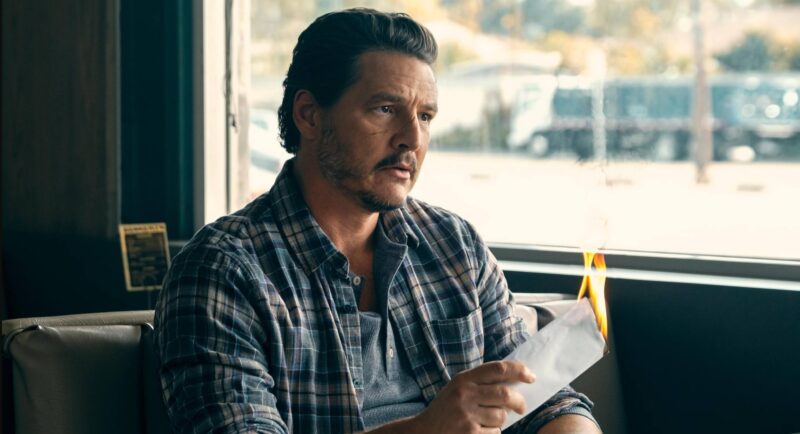
Due to the rate of things being added to Prime Video, though, films like Freaky Tales are in danger of silently gliding past people who might enjoy them. This writer only stumbled on the film by accident while scrolling through a sea of recent offerings – there it was, sandwiched between a load of old thrillers from the 1980s and 90s, a documentary called The Moonies: Married To A Cult and a film about a footballist named Kenny Dalglish.
Amazon has so much money, it seems, that it can spend unspecified sums on movies without even stopping to think about promoting them in some way. Nor do movie stars or respected directors seem to affect streamers’ marketing strategies all that much. Oscar-winning filmmaker Ron Howard’s latest film, Eden, appeared on Prime Video in late October. It popped up in the main window at the top of the app for a day or two, and promptly vanished again; it’s still on the service, but unless you go looking for it, you won’t find it.
Admittedly, Eden is a somewhat ponderous drama, but it’s surely significant that even a film starring the likes of Jude Law, Sydney Sweeney and Ana de Armas didn’t get Amazon thinking about, you know, maybe getting the word out to its customers a bit more proactively.
Nor is Prime Video alone in this softly-softly approach to promotion. Award-winning director Paul Greengrass (Captain Philips! Three Bourne movies!) had his latest film, The Lost Bus, punted out on AppleTV in early October with barely a whisper. It too has a big star attached – Matthew McConaughey, one of Hollywood’s biggest names.
Or how about Highest 2 Lowest, a pretty dang terrific crime thriller starring one of the most famous actors alive (Denzel Washington) and made by one of the most respected filmmakers (Spike Lee). You might think that Apple might make a song and dance about that one, but no; it appeared as a little thumbnail on the corporation’s app in early September, and that was about it.

There are, of course, the movies that streaming companies do make a fuss about – F1: Da Movie, directed by Joseph Kosinski and starring Brad Pitt, was Apple’s equivalent of a tent pole film, and got the cinema release and marketing push to go with it. Similarly, Netflix has banged the marketing taiko for Guillermo del Toro’s Frankenstein, with adverts and press trails all over the place.
The movies that streamers buy in, however – even great movies, like Freaky Tales or Highest 2 Lowest – tend to be treated more akin to the way my local branch of Blockbuster used to deal with late-career Steven Seagal movies – they’re stuck on the shelf by customers’ feet, and if nobody spots them, then that’s the circle of life.
Another analogy springs to mind. In 2003, British journalist Martin Bashir followed the late king of pop Michael Jackson around for a few months, resulting in a car-crash documentary that soon became infamous worldwide. We’ll draw a veil over the darker revelations in that doc, though, and focus instead on an earlier moment in which Jackson was shown walking around a vast Las Vegas shop stuffed with over-priced tat.
Jackson, clearly not one to worry about money, walked around the emporium, pointing to item after item and saying he was going to buy it. The proprietor could barely contain his glee as the pop star indiscriminately bought everything he could see. A terrible gilt-edged chess set worth $89,000. A massive vase that looked like something you’d buy from the back of the Radio Times. Within minutes, Jackson had spent about a million dollars.
It was more stuff than one person could ever conceivably use or appreciate. Presumably, it all ended up crammed in some corner of Jackson’s mansion with all his other nik-naks, never to be seen again.
You can probably see whether we’re going with this: the world’s big streamers, flush with other people’s cash, are whizzing around festivals and distributors, snapping up films and then dumping them on their services without much of a second thought. And if a celebrated director like Spike Lee can’t get a bit of promotion for his movie, then what chance do lesser-known filmmakers have?
Of course, the fragmented, hyper-drive nature of the modern world means that the nature of promoting pretty much anything is now rather difficult. It makes sense that Amazon wouldn’t plaster “Freaky Tales: Now on Prime Video” on the side of a bus or on a London Underground poster. But it absolutely could put ads between YouTube videos or elsewhere on the web; perhaps it could do a supercut of all the new offerings it’s added to the service in a given month.
Because these movies are out there on those various streaming platforms. And if the right people were told about it at the right time, Freaky Tales is the kind of thing that could become a modern cult favourite. But if companies like Apple and Amazon continue to treat their services as a churn of ‘content’, where a Ron Howard movie is treated much the same as a newly-added Troma film from 1988 or a spuriously-researched UFO documentary, then great movies will continue to glide past unwary viewers and into obscurity.
Freaky Tales is on Prime Video now.