In 2025, the YouTube algorithm accidentally revealed the existence of a new, restored, Star Wars theatrical cut. We take a look at what it could all mean. The original Star Wars trilogy, released from 1977 to 1983, has existed in so many forms through the ages. This doesn’t just apply to physical media formats, either: ... Star Wars | Leaked footage on YouTube may give us an early glimpse of the restored original cuts
In 2025, the YouTube algorithm accidentally revealed the existence of a new, restored, Star Wars theatrical cut. We take a look at what it could all mean.
The original Star Wars trilogy, released from 1977 to 1983, has existed in so many forms through the ages. This doesn’t just apply to physical media formats, either: the films themselves have also been altered as they were released theatrically and later on streaming. The latest shiny 4K disc may represent the highest quality officially available copy of Star Wars today, but it’s not the same film that was released almost 50 years ago.
In 2027, however, Lucasfilm plans to release an original version of Star Wars to mark its 50th anniversary – a restored edition that takes the movie back to how it looked when it was first released. And as some leaked footage on YouTube appears to suggest, the entire Original Trilogy could be getting a deserved re-release – in its initial, untouched form.
Before we get to that, let’s start with a brief overview of how the Original Trilogy has evolved with each re-release since 1977.
Prints and tapes
Star Wars has a long history of releases, with changes being applied almost every time. We’ll try to keep this brief, as honestly, you could – and people have – created entire websites to document these changes.
The original trilogy, Star Wars, The Empire Strikes Back and Return Of The Jedi were released in 1977, 1980 and in 1983 respectively. Even in those six years, there were small changes depending on what version you saw. For example, the 70mm print of Star Wars features small audio and visual changes that aren’t in the 35mm print, which was the more widely seen version of the time.
In 1982, Star Wars was released on VHS, Betamax and several other formats that haven’t stood the test of time. Empire and Jedi were released on VHS in 84 and 86 respectively.
If we just stick to the VHS format, the original trilogy was released again in 1992, but in widescreen format. On VHS, this was also known as letterboxed due to the shape of the film when watched on the 4:3 televisions of the time.
The Original Trilogy was released one final time 1995, and this term was used in the marketing campaign (“This will be your last chance to own the original version of Star Wars,” warned the trailer).
Two years later, 1997 marked the franchise’s 20th anniversary – and the release of the Star Wars Special Editions in cinemas, at which point Lucas added extra scenes and changed elements with the use of CGI.
In 2006, the Special Edition Trilogy was released on DVD with further small refinements. As a bonus, this set also included the Original Trilogy, but it was sourced from the old masters used to create the 1993 release of a set on Laserdisc. Also, the picture wasn’t enhanced for widescreen televisions. The picture quality was highly disappointing.

Suggested product
Issue #60 Magazine Bundle (3x Covers: A Scanner Darkly Magazine + 1991 + Roger Deakins)
£14.99

The Special Edition Trilogy made the jump to Blu-ray in 2011 with yet more subtle changes; Ewoks now blink, for example. Finally, the Special Editions were released on the 4K UHD format in 2020.
The point is, that since 1995, there has been no way to own a copy of the Original Trilogy of films unless you own and still use a VHS or Laserdisc player. Fans just wanted a copy to own and watch on DVD, Blu-ray and finally 4K UHD disc, as the years passed and technology improved.
In 1997, Lucas stated that the negatives of the original Star Wars films – which were deteriorating and in desperate need of restoration – had been taken apart and physically altered in order to create the Special Editions. It was therefore impossible, he said, to present the films as they were first shot and edited.
Fandom Menace

Over the years, however, fans have taken matters into their own hands. Using any source they can find, they’ve re-created the original theatrical trilogy for their own viewing at home.
One team of dedicated fans went as far as acquiring old 35mm cinema reels and scanning each frame in 4K with a homemade digital camera setup. Then, painstakingly, digitally cleaning up each frame of dirt and scratches and applying colour correction. This literally took years, but the results are considered the best way to watch the Original Trilogy, albeit unofficially.
In the summer of 2025, the BFI screened a 1977 dye transfer IB Technicolor British release print of Star Wars. What makes this rather special is the format of the media. With the film being almost 50 years old, regular 35mm prints made for theatrical screenings have since faded and become unusable.
A dye transfer IB Technicolor print is manufactured with a different process, as each colour was transferred to the print separately. If the print is properly cared for, the colours won’t fade.
So, for a single day in June 2025, those lucky enough to attend either of the two presentations were able to watch a near-pristine print of Star Wars’ original release. This was the true original 1977 cut that didn’t include the A New Hope title added for future re-releases.
Another surprise was the attendance of Kathleen Kennedy, head of Lucasfilm, to give a blessing to the screening. It’s been well documented that over the years, Disney and prior to that 20th Century Fox, had refused permission for the original cut of Star Wars to be shown once the Special Editions had been created. Kennedy even joked that this presentation of the film wasn’t “illegal”. Was this a change of view from Lucasfilm on the original versions?
“It’s incredible folklore,” Kennedy said. “Even when I came into the company, there was endless conversation about where everything was, and what was in fact the first print? And it’s quite remarkable, what you’re going to see is in fact the first print, and I’m not even sure there’s another one quite like it. It’s that rare. There’s so much tinkering that’s gone on over the years, and things that George [Lucas] decided, ‘I’m gonna change this, I’m gonna try that.’ And then, everybody kind of lost track of what it was.”
Shortly afterwards, in July, the first rumours started that the original untouched trilogy was being remastered, possibly as part of bonus material to be made available on the Disney+ streaming platform.
On the 1st August, Lucasfilm officially announced that for a limited time, Star Wars will once again be receiving a theatrical presentation to celebrate the film’s 50th anniversary. Fans started to speculate which version of the film might be used: the original or, more than likely, the most iteration with the assorted changes ordered by Lucas.
In August, screen captures of these remastered leaks started to appear in Star Wars fan circles. But where did they come from? Were they legitimate?
Clip joint
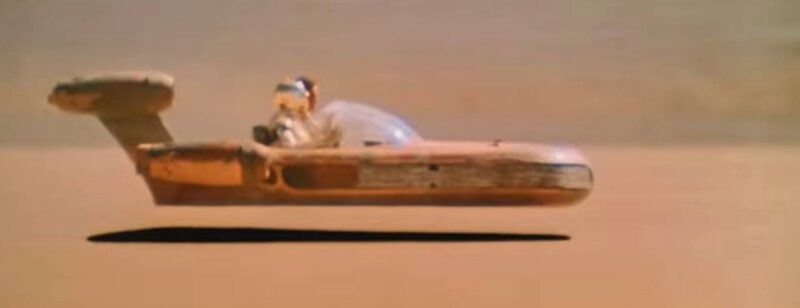
From that month onwards, short video clips in 4K, running for just a few seconds, preceded by a title card filled with technical details about film restoration, started appearing online via YouTube. The channel in question had been discovered by accident, as it had been recommended to a Star Wars fan by the YouTube algorithm.
One fan remarked that this was a well-kept secret but due to a leaker via Reddit, this was now becoming common knowledge within the Star Wars community. They originally wanted to keep it secret for longer, as they were worried that those involved in the work would be negatively affected by the leak.
But why would a restoration project, that allegedly started work back in 2022, be sending small clips to YouTube, a public viewing platform? A poster to the OriginalTrilogy.com forums remarked:
“Our most likely theory is that it’s an auto-uploader system that allows them to quickly review the restored footage and we assume whoever handled this restoration was probably outsourced by Disney and not necessarily by Lucasfilm themselves. Therefore, with work being outsourced to restoration artists in different parts of the world, they might’ve found it convenient to quickly share files and previews of the restoration work through YouTube (ideally unlisted, but their script did otherwise).”
The YouTube channel (and a separate channel on Vimeo) was being run by a company known as Aurora Light Imageworks. They must have realised what was happening in regard to the viewership, as of writing there have been several accounts associated with the company. The first two have since been deactivated, with a third still currently outputting test clips every so often.
To get mildly technical for a moment, fans had noted that the original camera negatives (and in some cases even higher fidelity sources of images) have been scanned in at a 6K resolution. The video clips have then been resized to 4K and compressed by YouTube, so they do not represent the final quality. Despite this, they still look amazing, especially when compared to earlier releases.
There was also initially some caution regarding this footage as well. As the clips were very brief, just a few seconds in length each, could they be part of an elaborate hoax? But as the quality of the clips was so high – better than anything officially released – and the quantity of the footage was so considerable, this theory fell by the wayside.
This restoration work isn’t just being performed on Star Wars, either. Clips of The Empire Strikes Back and Return Of The Jedi have also appeared. There have even been snippets of deleted scenes and raw footage that was later composited into model shots. For example, a helicopter fly-through of a snow-covered mountain that would later have a model Snow speeder composited into the footage for The Empire Strikes Back.
If you want to see this for yourself, a handy YouTuber has collated all the small clips into this seventeen minute compilation, keeping the quality at 4K:
The future
This leads to the question: why was this happening? Unfortunately, there has been no official answer. Despite the reporting of this information gaining more recent traction in recent months, Lucasfilm and Disney initially made no comment.
On the one hand, this could be a project where Disney is performing a high-grade restoration project to digitally preserve the material for later use. Or, just as likely, it’s part of the planned 2027 theatrical re-release.
It certainly feels like this leak may have forced Disney’s hand, as the official statement from August has since changed. As the updated release from the 5th December states, “Part of Lucasfilm’s yearlong 50th anniversary celebration, a newly restored version of the classic Star Wars (1977) theatrical release – later renamed Star Wars: A New Hope – will play in theaters for a limited time.”
Considering the amount of time and money going into this restoration, surely there will be a physical release of this version on Blu-ray and 4K UHD disc some time afterwards? Disney, like any other company, is there to make money at the end of the day.
Also, the press release doesn’t mention the restorations of The Empire Strikes Back or Return Of The Jedi. Are we going to have to wait until 2030 and 2033 to see those in their respective 50th anniversary releases?
Fans have been waiting for a high-quality version of the Original Trilogy for decades now. Hopefully, Disney isn’t making us wait too much longer. Certainly, these strange leaks to YouTube have given fans the new hope they’ve been waiting for.