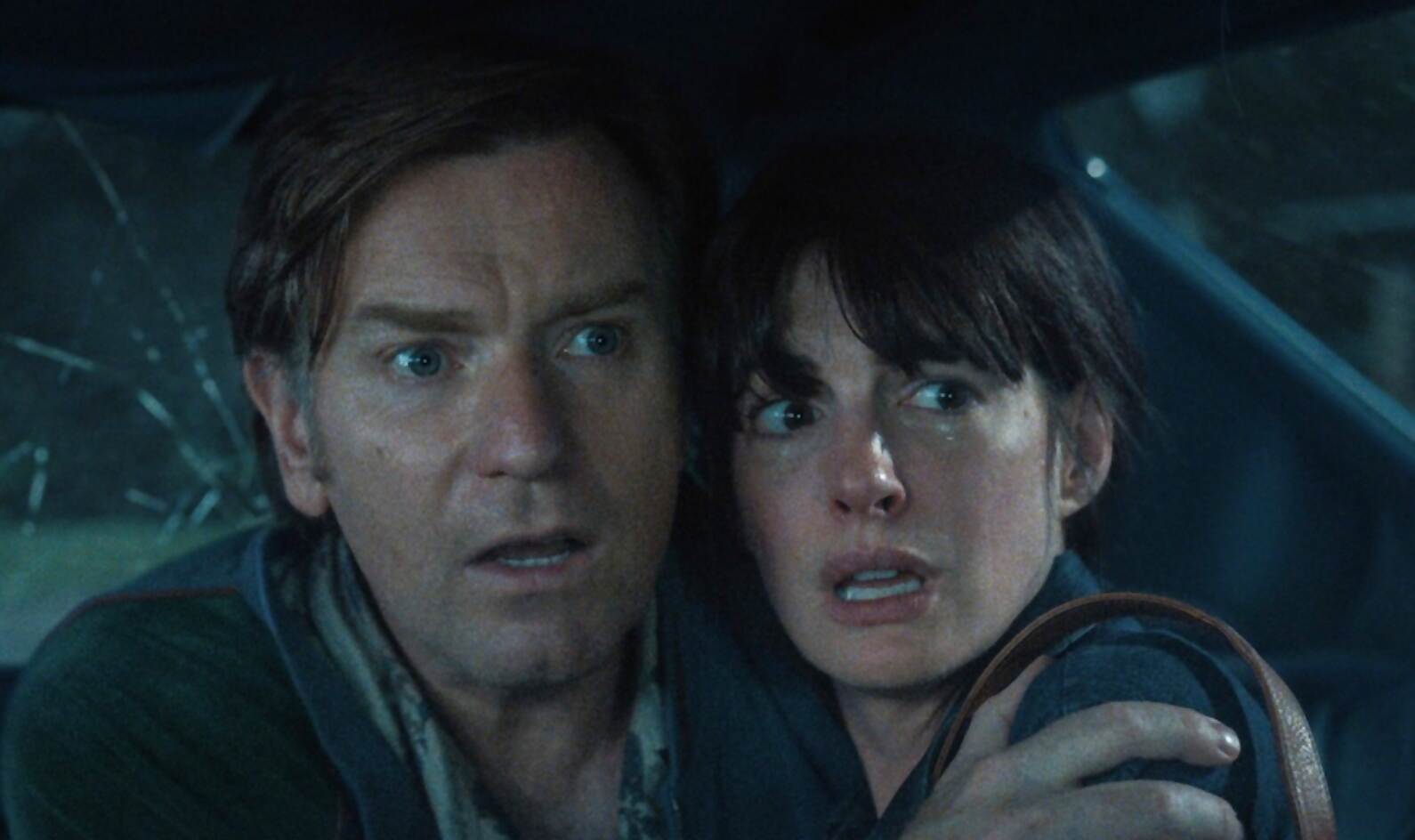
With spoilers, we dig into The End Of Oak Street’s ending – and explore how it might be a lot messier than it first looks. NB: The following contains major spoilers for The End Of Oak Street. Thanks to wormholes, or something, a prime bit of all-American real estate has been zapped from the somewhat ... The End Of Oak Street spoilers | Why there’s more to the ending than first meets the eye
With spoilers, we dig into The End Of Oak Street’s ending – and explore how it might be a lot messier than it first looks.
NB: The following contains major spoilers for The End Of Oak Street.
Thanks to wormholes, or something, a prime bit of all-American real estate has been zapped from the somewhat distant past (1982) to the time of the dinosaurs. As residents of the titular Oak Street flee in terror from an assortment of screeching lizards, the Platt family must find a way to survive – or might there even be a way of escaping their prehistoric nightmare, and back to the safety of the Reagan era?
That’s the set-up for writer-director David Robert Mitchell’s latest film, The End Of Oak Street, which serves up roughly equal servings of B-movie monster action and familial angst. Comparisons to Spielberg’s work are inevitable, but that doesn’t mean there isn’t the odd nasty surprise here and there – not least the abrupt departure of Ewan McGregor’s affable father, Greg (we did warn you about spoilers).
The strength of Anne Hathaway, Maisy Stella and Christian Convery really sells this sudden moment of horror, as Greg is killed saving his wife, Denise (Hathaway) from the snapping jaws of an Allosaurus. In this brief moment, the goofiness of the sauropods-in-suburbia premise vanishes. It’s equally easy to forget that, mere seconds earlier, Greg had somehow managed to briefly stun this massive creature with a single swing of his puny sledgehammer.
An essentially likeable, decent guy is chewed up in front of his own family. Mitchell doesn’t linger on the details (and the ratings board wouldn’t have allowed him to) but the reactions from the other players in the scene – and the director’s dramatic use of silence – tell us everything we need to know.
The cosy ending, you might argue, undoes the shock and loss of this scene somewhat. Denise and her two kids, plus survivor Jeanette (Jordan Alexa Davis) locate a miniature wormhole that can return them to 1982. (You can pick at the logic of this if you like; we’ll leave that thread unpulled).
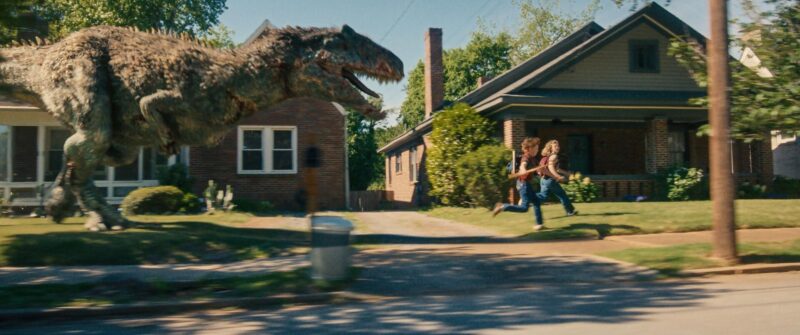
Leaping into the unknown, they land in a suburban swimming pool, and realise they’ve emerged roughly 20 minutes before the cosmic event that sent them back in time days earlier. With no time to warn the whole neighbourhood, Denise rushes to a telephone and makes a few phone calls – we later learn that she saved the lives of a librarian, an ornery neighbour and the sparky book editor who lives down the street.
One of those other calls was to her own husband, who we saw earlier in the film had taken up a pizza-delivery job to make ends meet. Minutes later, Greg shows up in his beaten-up car, clutching a pizza box and wondering why on earth his family are up on a hillside in the middle of the night.
Before Denise has time to explain, they watch as Flowervale suburb is eclipsed by a blinding dome of white light; it’s then beamed into the past, and replaced by a prehistoric circle of land from millions of years ago.
On the face of it, it’s an upbeat ending: they’ve saved Greg from going back into the past and meeting his untimely end. We see how the Platts, now pulled closer together by their experience, live happily ever after, with Denise having published a best-selling novel that means the family can afford to send the astronomy-loving Audrey (Stella) to an expensive university. So far, so Back To The Future.


Suggested product
Issue #60 Magazine Bundle (3x Covers: A Scanner Darkly Magazine + 1991 + Roger Deakins)
£14.99
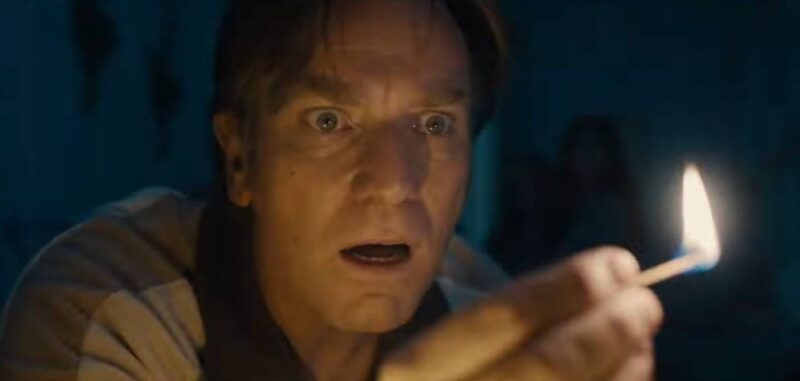
What nobody talks about, though, is that when Denise and her two kids were standing up on the hill in the rain with Greg, there were still their alternate selves fast asleep in their home on Oak Street. They would still have been sent into the past, but this time they wouldn’t have Greg with them.
Without Greg, it’s possible that the alternate Denise, Audrey and Brian (Convery) died horribly, or at least didn’t find one of the same wormholes that sent the first three family members forward to the 1980s again. If they had found a wormhole, then there would surely be two versions of each family member (sans Greg) in 1982.
Speaking of paradoxes, there’s also Jeanette to consider. She also leapt forward to 1982 with the Platts, and the last time we saw her, she ran down the hill to Flowervale to try to save her parents. But this means there are now two versions of Jeanette – the one at home with her parents, and the second one who returned from the dinosaur age. What happens when a person meets their alternate self according to this film’s logic? Presumably, nothing that tears apart the universe’s fabric.
The film’s epilogue shows dinosaurs being rounded up or straight-up killed and the Platts now enjoying their cosier, more comfortable domestic life. Again, though, there’s at least the hint of a darker undercurrent in The End Of Oak Street’s conclusion. Denise’s quick thinking brought a version of her husband back to her. But by securing this happier reality for herself and her kids, Denise may have condemned the other versions of her family to a grim fate.
The End Of Oak Street is in cinemas now.