Ava DuVernay’s new film, 14th, uses AI to animate public domain photos. And the acclaimed director has been defending her decision. Another respected director has gone over to Team AI, with Ava DuVernay doubling down on use of the technology in her latest documentary, 14th. Backed by Netflix, 14th sounds like an urgent and important ... Ava DuVernay defends AI use for animating moments in her latest film
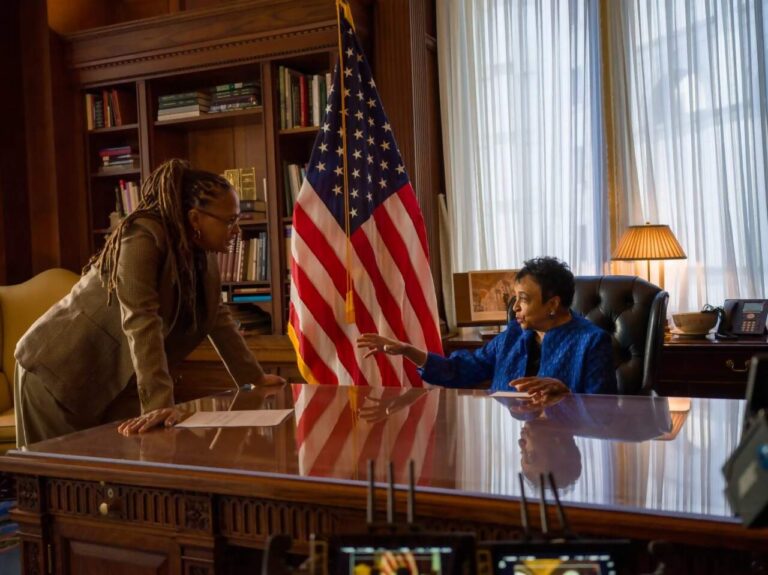
Ava DuVernay’s new film, 14th, uses AI to animate public domain photos. And the acclaimed director has been defending her decision.
Another respected director has gone over to Team AI, with Ava DuVernay doubling down on use of the technology in her latest documentary, 14th.
Backed by Netflix, 14th sounds like an urgent and important piece of work, digging into the American constitution’s 14th amendment, and the battle over birthright citizenship.
The documentary had attracted some pushback though for moments within it that looked to have used generative AI technology to bring to life. DuVernay has now admitted as such, but defended her decision.
Making the argument to The Hollywood Reporter that “I think we’ve come to a place in filmmaking where we have to be really sober about the ways in which that technology is [used] across so much of the workflow”, specific chatting there about AI features built into post-production tools.
On the decision to use AI on certain images, she argued that “we actually animated some photos that are in the public domain, and from what we’ve been hearing from people, it does bring people closer to that time in history, which was our goal. So people have to see it and check it out for themselves and make their decisions about how they feel.”
What she didn’t address in her comments to the outlet were why, in spite of the backing of a huge entity such as Netflix, a human being couldn’t have been paid to do that work instead. By opting to use AI for those moments, those are the decisions that cost people work. Multiply that across the industry and you can understand why there’s a growing scarcity in entry level positions in particular.
It’s worth reading the full statement in context here, but it’s hard to avoid the sneaking feeling that what sounds like a terrific film has – just as Danny Boyle’s Ink – taken a choice in spite of having the resources to use a human instead.