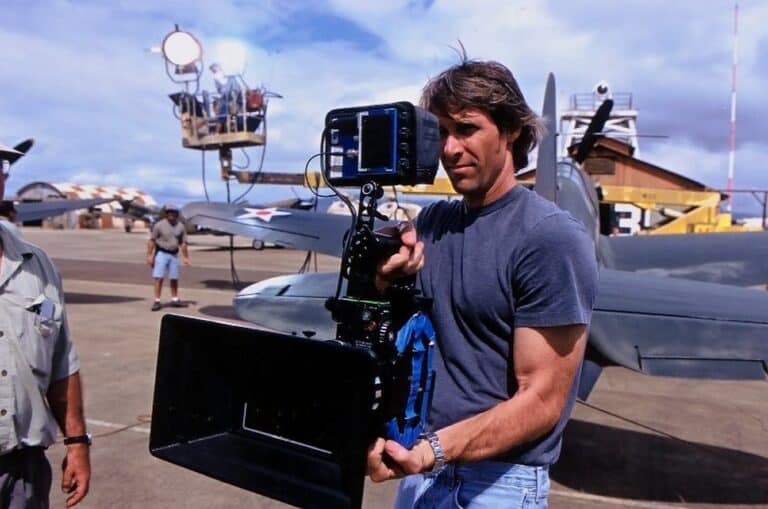
As the glossy WWII romance Pearl Harbor reaches its 25th anniversary, we back at Disney’s rush to secure Michael Bay as director. “I think Pearl Harbor was one of the most difficult shoots in modern history.” So mused the former chairman of Disney, Dick Cook, in a retrospective piece with GQ magazine published in 2011. ... Pearl Harbor at 25 | Disney’s battle to convince Michael Bay to direct
As the glossy WWII romance Pearl Harbor reaches its 25th anniversary, we back at Disney’s rush to secure Michael Bay as director.
“I think Pearl Harbor was one of the most difficult shoots in modern history.”
So mused the former chairman of Disney, Dick Cook, in a retrospective piece with GQ magazine published in 2011. The infamous film, which in 2001 acquired the title of the most expensive movie ever made, cost anywhere between $135m and $210m for its negative alone, depending on which source you believe. And yet the irony is that it only came about when director Michael Bay was on the verge of taking on a much, much cheaper production.
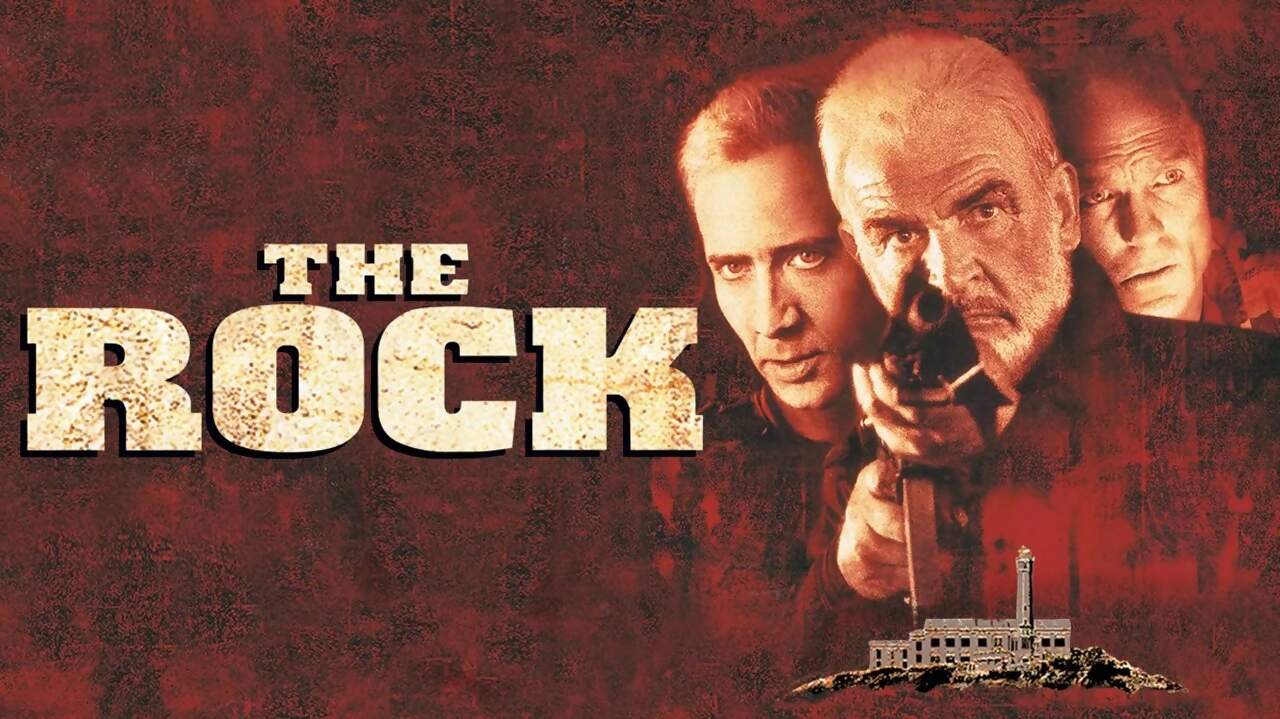
By 1998, Bay had become Hollywood’s most in-demand director. He’d got three films to his name at that point, of growing size and expense. What’s more, they proved to be of growing box office impact as well. Bad Boys was a surprise sleeper hit in 1995, 1996’s The Rock re-established Sean Connery as a box office draw (and it also forms a pivotal part of the Nicolas Cage action trilogy), and then 1998’s Armageddon overcame grumpy reviews to become a rather sizeable success.
But Armageddon had been a test and a half to make, and as such Bay was considering a change in direction. In particular, the filmmaker was drawn to a script that was getting an awful lot of ‘heat’ in Hollywood at the time: Phone Booth, written by the master of low-budget, high-concept thrillers, Larry Cohen.
But when Disney’s then chairman Joe Roth heard about the discussions going on, he – to put it bluntly – wasn’t happy at all. Disney’s live action output had gradually been getting more expensive and tentpole-driven, and in the days before Marvel movies, Michael Bay was the studio’s surest bet for a hit.
Roth urgently gathered together a whole bunch of scripts more in the vein of those Bay had thus far realised, and sent them for his attention.
Bay initially wasn’t for turning, though. It was going to take something dramatic for him to change his mind, but Roth was insistent that he wasn’t going to be allowed to leave the studio, and ordered his team to keep hunting for a new film to get him interested.
“We had a gigantic meeting with Michael and all his reps,” recalled Disney executive Todd Garner. And then he had the eureka moment. As Bay got up to leave with nothing grabbing his attention, Garner said “you should do Pearl Harbor”.
Roth asked Garner to pitch the film. Garner told Jay Mohr in an interview that it was a film he’d wanted to make since he was 14, when he first visited the Pearl Harbour area.
The allure was clear. Just a year or two prior, James Cameron had forever redefined his legacy as not just a director of blockbuster movies, but also a multi-Oscar winning filmmaker. Titanic had scored 11 Academy Awards, and become the biggest movie of all time. Bay had already hinted that he wanted to try something more ambitious, telling Premiere magazine on the set of The Rock that “when I’m more experienced, that’s when I’ll try to do something that’s more regarded critically”. We told that story here.

The pitch then was for a film that mixed the blockbuster filmmaking that Bay was known for with the ingredients that had made Titanic such a success. After all, every movie studio wanted a Titanic at the end of the 1990s. Disney was going to give it a try, and keep hold of Michael Bay as it did so.
Garner ultimately described it as “the second easiest movie to put together”, given the existing relationship with Bay. He pitched the film at the meeting. Joe Roth then told Michael Bay that this was the film that he should be making next. Bay agreed, and that was that.
That was as easy as it got.
Pearl Harbor marked the last time Bay and Disney worked together. Given what a taxing production the movie turned out to be, that’s not massively surprising. Bay wanted a more R-rated film, Disney pushed back and made a PG-13 mandatory (with a harder cut ultimately released on disc).
Still, they forged an agreement and the studio wrote a cheque for the biggest movie gamble ever taken on by a single company (Titanic’s gigantic budget had been split between Fox and Paramount). The difficult process took its toll. A change in management at Disney saw Joe Roth leave and his boss Michael Eisner demand budget cuts.
Bay quit twice and had to be persuaded to return – it was producer Jerry Bruckheimer that apparently talked him back. He later insisted that he’d brought the film in around its newly-planned $135m budget level.
The film was, contrary to how it’s sometimes a reported, a big hit, too. In all, it grossed $450m worldwide. Phone Booth, meanwhile, was directed by Joel Schumacher a year or two later, with Colin Farrell taking on the lead role when Carrey ultimately bailed (Schumacher and Carrey later reunited for The Number 23). The cost of the latter would be just over twice the price as the premiere party for Bay’s new movie.
As for Pearl Harbor and its response, in the lead up to its release and eventual critical mauling, Bay played down any comparisons with Titanic, notwithstanding the fact that he’d made a three hour film about a real life event that was grounded around a romance story.
Jerry Bruckheimer was playing nothing down though, insisting to Empire magazine that “Pearl Harbor was a seminal event in American history, and in the history of the world. But [the film] only works if you fall in love with Kate [Beckinsale] and Ben [Affleck] and Josh [Hartnett]”.
“If you do, we’ve gotcha! And if you don’t, I should get out of this business!”
We’ll leave it there.
Pearl Harbor is available on DVD and Blu-ray should you really want to own it. A version of this feature previously appeared on the site in 2020.
/**/