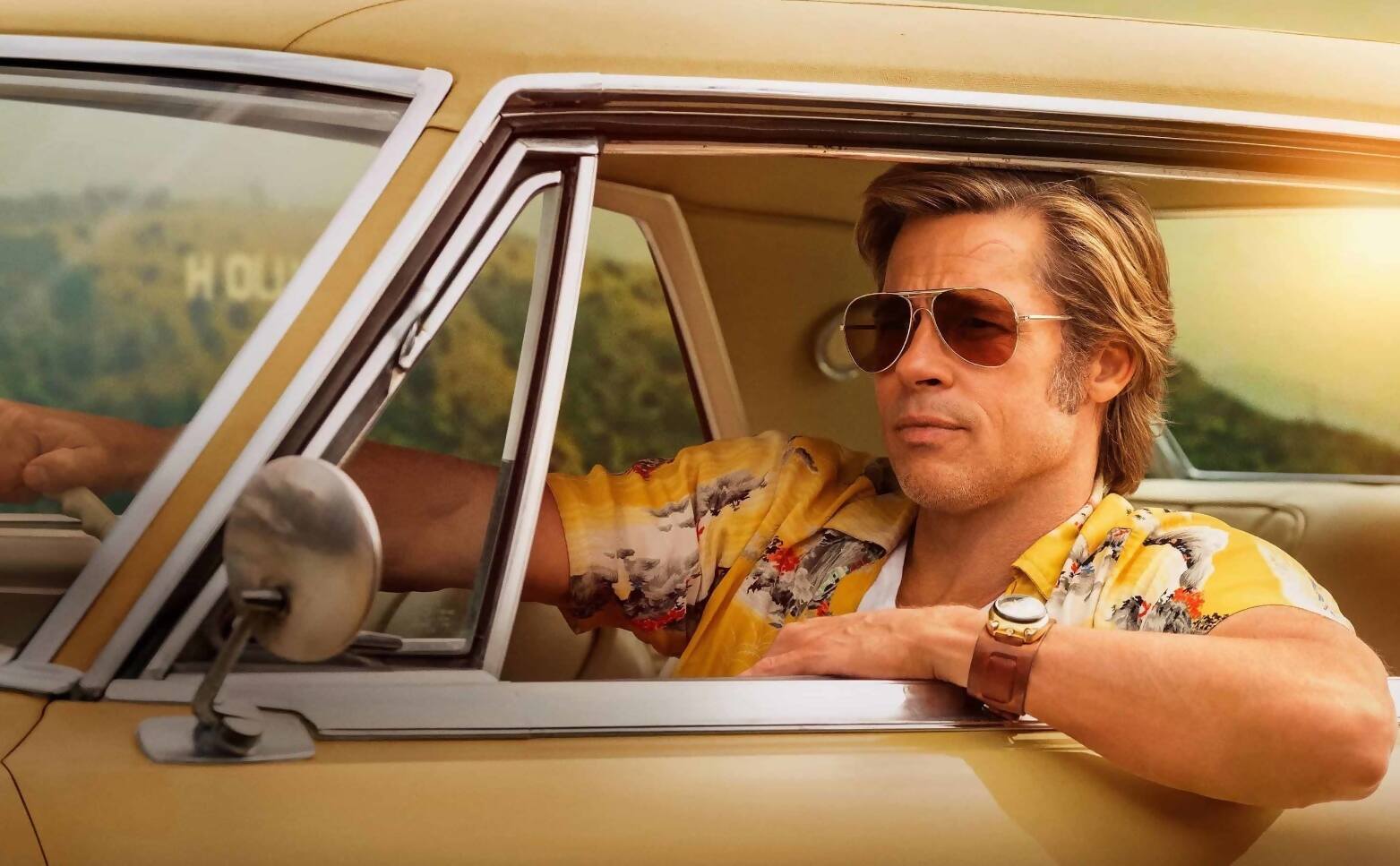
Brad Pitt stars, Quentin Tarantino writes, David Fincher directors: but does The Further Mid-Adventures Of Cliff Booth deliver? Our review. There’s a speech that Elizabeth Debicki’s character gives in The Further Mis-Adventures Of Cliff Booth that feels like screenwriter Quentin Tarantino almost demanding be called out in reviews. I’m sure Quentin is a regular reader ... The Further Mis-Adventures Of Cliff Booth review | Fincher and Tarantino’s Bogus Journey
Brad Pitt stars, Quentin Tarantino writes, David Fincher directors: but does The Further Mid-Adventures Of Cliff Booth deliver? Our review.
There’s a speech that Elizabeth Debicki’s character gives in The Further Mis-Adventures Of Cliff Booth that feels like screenwriter Quentin Tarantino almost demanding be called out in reviews. I’m sure Quentin is a regular reader of this site, so I shall acknowledge it, and its views on cinema, and move on. This whole opening paragraph was for you, QT. You’re welcome.
This, then, is the coming together of director David Fincher and a Tarantino script, a pair who haven’t really ever tackled a sequel as such (accepting that Fincher doesn’t regard Alien 3 as his films for extensively documented reasons, and Tarantino sees both parts of Kill Bill as the same film).
To a degree, they still haven’t. While this movie is annexed to Tarantino’s 2019 feature Once Upon A Time… In Hollywood, and drops in the name of Leonardo DiCaprio’s absent character from that film with some regularity (almost to the level of The Bourne Legacy: the Jason Bourne-less Bourne film, that couldn’t mention his name enough), this is instead a side story.
Not even a story, really. Instead, we’re following Brad Pitt’s title character across a few days in and around Hollywood. The unlikely companion piece to it in this year’s crop of movies is Tony Gilroy’s Behemoth! I’d argue, which gives us a slice of time in the life of Pedro Pascal’s character in that case, without much narrative glue to hold it together. The same applies here.
The Further Mis-Adventures Of Cliff Booth is set in a gloriously-realised 1977 (Fincher’s attention to the era is akin to the work Alexander Payne and his team did with The Holdovers), and we meet Booth working away at the New Beverly Cinema in Los Angeles. At least that’s where it starts.
It’s an era where, as the price board tells us, you could get a popcorn and a ropey Cola for a few bucks, and from the off, we get a flavour of what to expect. We soak in some of the trappings of the era, spend time with Pitt’s chilled-out title character, and then something might happen. Well, it does happen, but I ain’t spoiling it.
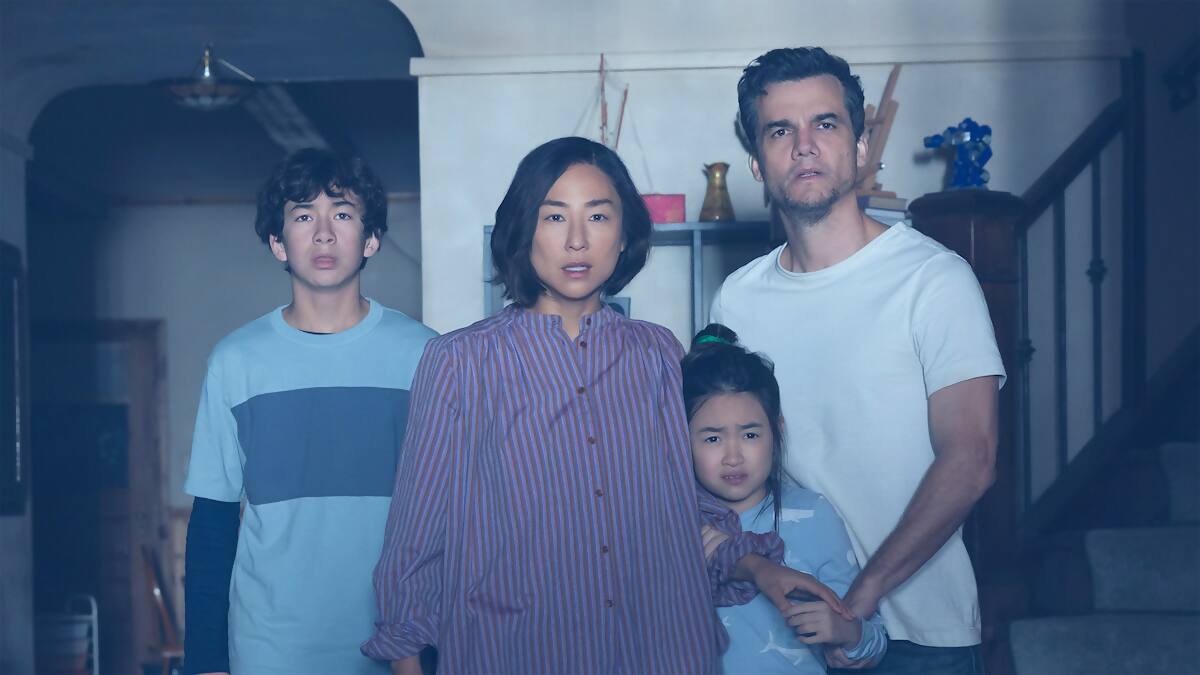
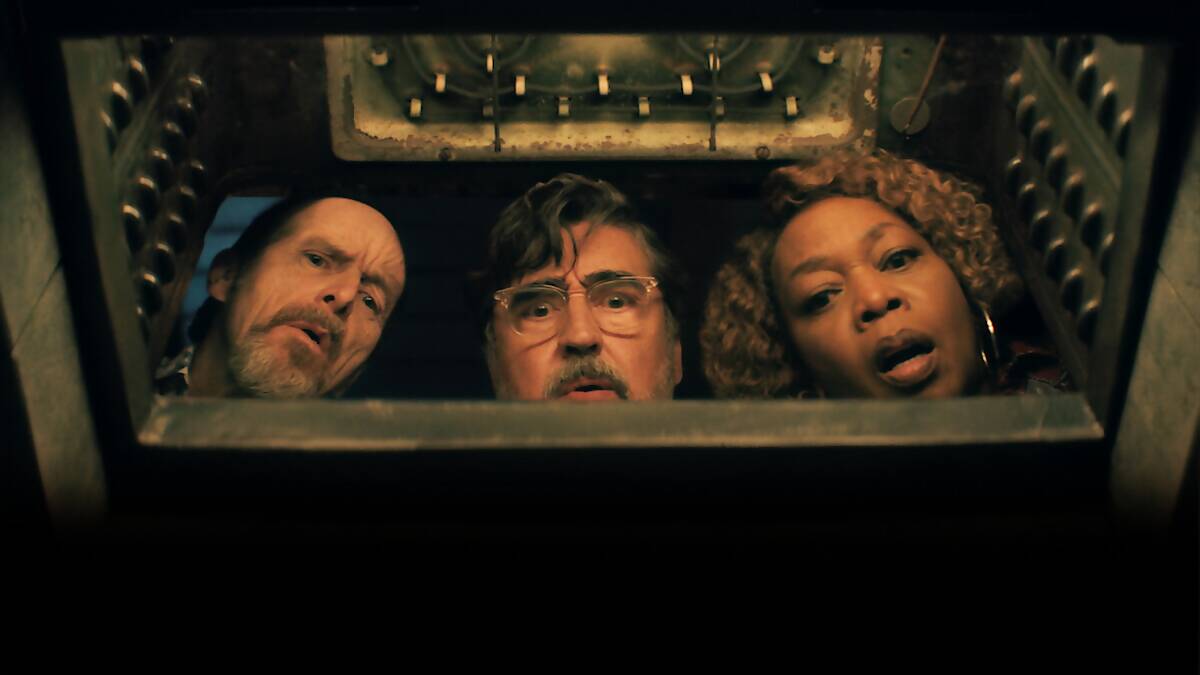
Along the way, we meet a bunch of characters too, each – as you’d expect – who stick in the mind. These are people I sense that Quentin Tarantino would like to hang out with, and I can’t say I blame him.
I love Peter Weller, for instance, who we check in on from time to time as Cliff’s father, Gus, casually watching a film and at the very least sitting in the same room as his cat. Scott Caan, meanwhile, is tremendous value as Charlie Peters, a well-resourced television star with, er, ‘issues’, while Yahya Adbul-Mateen II’s Roderick Harrison happily gobbles up whatever screen time he’s afforded. I’d tell you more about them, but meeting them is a good slice of the fun.
The standout is Elizabeth Debicki’s Karen Crosby, understanding that stillness and a quality glare carry the weight of paragraphs of text. She’s tremendous, and a Fincher reaction shot to her is often prime comedy too. Also, it’s mentioned she once wanted to be a movie critic, and the late Pauline Kael’s name gets dropped in. I couldn’t help but wonder if Karen Crosby was originally planned to be the centre of Tarantino’s aborted The Movie Critic feature. If so, I’d happily sit through it, as long as Debicki signs up.
This particular feature is Pitt’s film though of course, and it feels built around his persona and what feels like effortless charm. For all I know, off screen, he could be a nightmare. On it, he’s utterly the kind of character you find yourself wanting to spend two hours and 20 minutes in the company of. It matters not whether he’s fixing a problem, mixing a margarita or driving around town, it’s never less than very, very watchable.
The time flew by, albeit with the occasional jolt. Not always a nice one.
I confess, for instance, that I found myself bristling a little bit of the dialogue, that may well be reflective of the era that the film is set, but still feels odd coming from a contemporary pen. I also found myself thinking that this is mid-range Fincher and upper-level Tarantino.
Yet their combination offers an undeniable mix of style, humour, and (metaphorical) handbrake turns. One particularly brutal tonal jolt had me thinking back to a particular John Carpenter film, so unexpected and uncomfortable it made me feel. And then not long after, Cliff is back in his car, still charming us and everyone around him.
Tarantino’s given Fincher his best script to work with since arguably Gone Girl. Fincher, I’ve concluded, has also been very good for Tarantino here, talking beforehand about how he was presented with a way too long script, and had to decide which bits to actually maket.
It looks like he chose well. And it strikes me that there’s a lot of merit to other people directing Tarantino scripts. If we put Oliver Stone’s very loose take on Natural Born Killers aside, even Tarantino has basically admitted that Tony Scott elevated the screenplay to True Romance. It’s hard to think that David Fincher hasn’t brought welcome discipline to The Further Mis-Adventures Of Cliff Booth.
There’s little actually radical to the film. It’s just been done properly. It’s played superbly, feels authentic, and has a collection of records that feel as curated as the set design. By the time it’s wrapped up, I was happy to watch it again.
It ain’t going to be the most lauded film in either Fincher or Tarantino’s filmography. I’d suggest, though, it’s going to be one of the most rewatched, just for the sheer entertainment of it.