Is traditional Oscar bait dead? Big awards going to movies in the horror and thriller genres suggests a gradual shift in Academy voter tastes. The films themselves can take on many guises, but it’s easy to spot a piece of Oscar bait in the wild. Lead performances praised as ‘transformative’ by critics – the likes ... At the 2026 Oscars, genre cinema was the big winner
Is traditional Oscar bait dead? Big awards going to movies in the horror and thriller genres suggests a gradual shift in Academy voter tastes.
The films themselves can take on many guises, but it’s easy to spot a piece of Oscar bait in the wild. Lead performances praised as ‘transformative’ by critics – the likes of Eddie Redmayne in The Theory Of Everything or Meryl Streep in The Iron Lady. Period pieces traditionally go over well with Academy voters, as do biopics – hence why a film like The Imitation game, which is both a period piece and a biopic – could garner eight nominations, including Best Picture.
The past few years appear to have seen a gradual shift in voter attitudes, however. Horror, comedy and sci-fi, once genres commonly ignored by the Oscars aside from some high-profile exceptions (hello, The Exorcist and The Silence Of The Lambs), have begun to win increasingly prestigious awards.
Guillermo del Toro’s horror romance The Shape Of Water and the Daniels’ sci-fi comedy Everything Everywhere All At Once are two examples of recent Best Picture winners that almost certainly wouldn’t have got a look-in a decade or so ago, back when (since disgraced) Hollywood producer Harvey Weinstein was dominating the ceremony with his movies.
Likewise last year’s The Substance – it’s hard to imagine a work of body horror getting a Best Picture nod when David Cronenberg was building the genre’s foundations in the 1970s and 80s.
The past weekend’s Oscars, however, appear to show an even greater acceptance for genre fare than ever. First of all, there’s the horror blues epic Sinners, which won four Oscars, including a deserved win for Michael B Jordan for his dual performances. An unabashedly saucy, febrile and bloody genre film, Sinners is a world away from the buttoned-down style of filmmaking that was once synonymous with Oscar wins; it’s the antithesis of, say, Green Book, which cleaned up at the 91st Academy Awards in 2019.
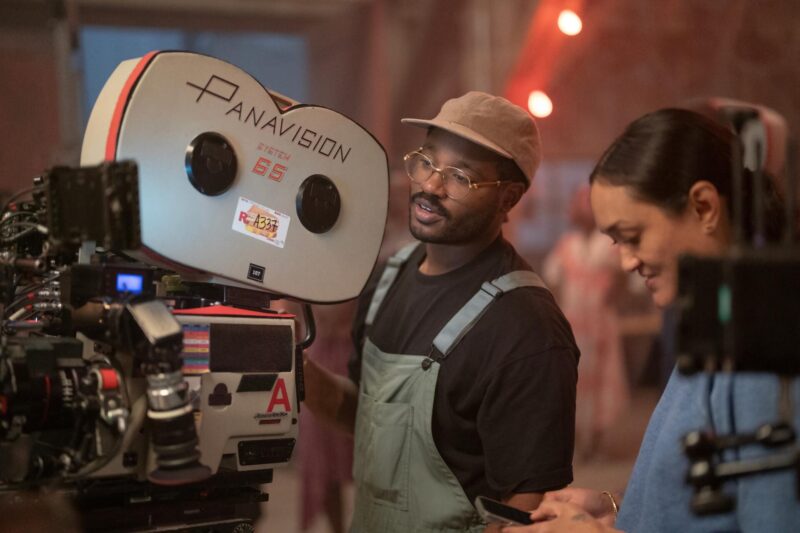
Then we come to Paul Thomas Anderson, who was the night’s even bigger winner with One Battle After Another. A filmmaker who’s made his fair share of period dramas in the past – including Phantom Thread, nominated for Best Picture and more besides in 2018 – it’s fascinating to see that his big plunge into genre filmmaking has seen him net both Best Picture and Best Director – the first time he’s won either accolade.
Whichever way it’s viewed, One Battle After Another is a genre piece – a free-wheeling thriller with a broad streak of black comedy. Unlike so many other Oscar winners, which tend to view the world or the past through a distinctly soft-focused lens (the studiously uncontroversial Bohemian Rhapsody springs to mind), PTA’s also film emerges as an urgent portrait of the USA at its best and absolute worst – as a melting pot of cultures and colours on one hand, and dominated by intolerance and racist power structures on the other.
But to focus solely on Sinners and One Battle After Another would be to miss out on all the other genre films that dominated the various categories at the 2026 Oscars. There’s Amy Madigan’s Best Supporting Actress win for her gonzo turn as Aunt Gladys in writer-director Zach Cregger’s Weapons – one of the best of last year’s long line of full-blooded horror films.

In the technical departments, Avatar: Fire And Ash took Best Visual Effects – a category it was always going to dominated, given the sheer sophistication of its CGI – while Guillermo del Toro’s Frankenstein won Best Production Design, Best Make-Up and Hairstyling and Best Costume Design.
When Frankenstein emerged last year, del Toro was keen to point out that his take on Mary Shelley’s Gothic novel wasn’t a horror film, and instead played up its themes – life, family, romance. All of that may be true, but del Toro doesn’t skimp on the uglier side of what it means to create a living being from the corpses of dead soldiers.
Even this year’s Best Animated Feature, KPop Demon Hunters, has genre cinema flowing through its veins. There are the horror undertones implied by its title, obviously, but then there’s its action – a film inspired by anime, martial arts flicks and Bong Joon-ho’s The Host managed to win over more traditional Hollywood animated fare from the likes of Pixar (Elio) and Disney (Zootopia 2).
Again, this shift to a greater acceptance of genre filmmaking hasn’t happened overnight. District 9 was nominated for Best Picture, among other gongs, while Black Panther became the first superhero movie to be nominated in the same category a decade later (the same year Green Book won, irksomely). But if genre films like those and others getting nominations felt like an Academy loosening up a bit, 2026’s spate of wins for horror and thrillers could indicate a decisive shift in voter tastes.

What’s behind that shift? The broadening of the Best Picture award category in 2009, from five nominees to ten, may have helped get a more diverse array of films in front of voters than in previous years (including the above-mentioned District 9). The more recent drive to diversify the Academy following the #OscarsSoWhite backlash in 2015 may also have helped bring in a more widespread array of voters among the Academy’s ranks, which may in turn have shaken up their collective appetites.
Or perhaps years of similar-feeling movies walking away with major awards created the growing feeling that the formula for success has begun to grow stale, and that it’s in genre filmmaking that the real storytelling and asking risks are being taken. Maybe it’s a mixture of all these things.
In previous years, it’s arguable that a heartfelt period drama like Chloe Zhao’s Hamnet, which received eight nominations, would have walked away with an armful of golden trophies, not just the sole Best Actress win for Jessie Buckley. In the upside-down world of 2026, however, genres once the preserve of grindhouses and the lower shelves of video rental stores emerged as the victors.