“I’m retired from the racket,” says Star Wars and RoboCop animator Phil Tippett, as he closes his studio down and auctions off swathes of his work. For a generation of film fans, this is surely the end of an era. Phil Tippett, the legendary animator known for his work on the Star Wars movies, RoboCop ... Phil Tippett | Legendary animator shutting his studio, selling off decades of art and memorabilia
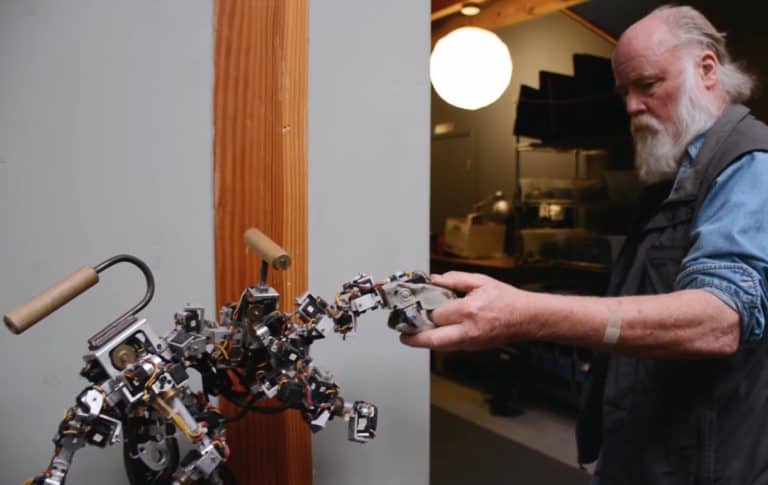
“I’m retired from the racket,” says Star Wars and RoboCop animator Phil Tippett, as he closes his studio down and auctions off swathes of his work.
For a generation of film fans, this is surely the end of an era. Phil Tippett, the legendary animator known for his work on the Star Wars movies, RoboCop and Jurassic Park, is retiring.
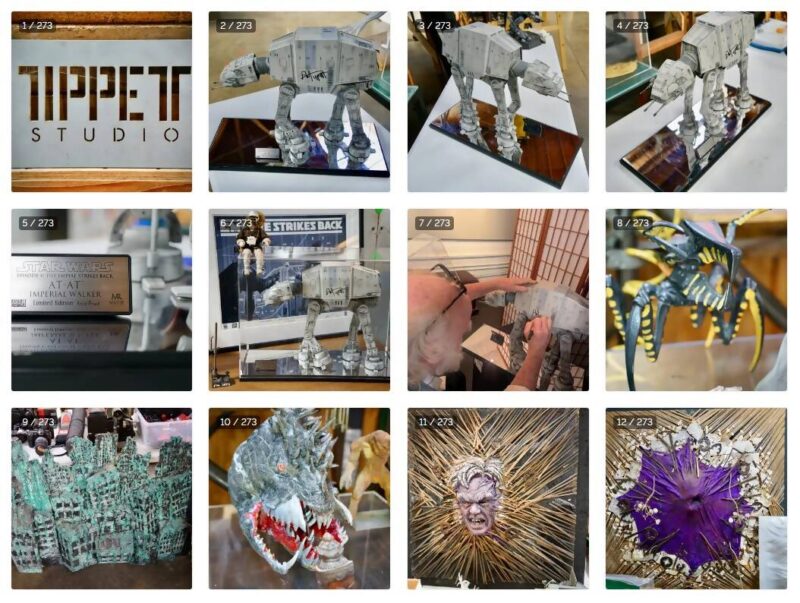
His Berkeley-based studio is also being wound up, and decades of props, memorabilia and art is being sold off in a two-day auction, beginning today (28th August).
Speaking to Berkleyside, Tippett said that he’s “keeping the Oscars” he deservedly won for his work on Return Of The Jedi and Jurassic Park,” but as years of work is sold off, he added that he’s “made a lot of painful decisions.”
Tippett’s career began in the mid-1970s, with his first major screen credit being his stop motion work on Star Wars – those tiny creatures that fought each other in a bout of Dejarik? Those were his.
The animator’s stunning work continued into the 1980s, as he developed a smoother form of animation which he dubbed ‘go motion’ – something used on the unforgettably lumbering four-legged AT-ATs in The Empire Strike’s Back and the terrifying beast in Dragonslayer.
Tippett Studio was founded in 1984, and afterwards, the animator and his collaborators continued to adapt to a changing filmmaking landscape. For RoboCop, Tippett animated the menacing ED-209 combat mech; when Jurassic Park helped usher in a new age of CG filmmaking, the animator moved with the times and began to incorporate computers into his own workflow.
Tippett’s first love was always hand-animated stop motion, though – a passion that goes back to seeing Ray Harryhausen’s The 7th Voyage Of Sinbad when he was a child. He funnelled that energy into his magnum opus, Mad God, a dark fantasy which he completed in 2021 after roughly 30 years in off-and-on production.
In 2024, Tippet Studio was acquired by the Indian company PhantomFX, and financial struggles saw it file for Chapter 11 bankruptcy protection shortly afterwards – hence this week’s aggressively fast auction of the studio’s assets. Once complete, the building will be cleared out, according to the auction’s organiser.
Tippett has said that his studio’s last piece of work was for a new Twilight Zone series; on the big screen, the animator’s influence is all over The Mandalorian And Grogu, which came out earlier this year. The monsters from Dejarik come back in gigantic form, while Tippett himself worked on two mechanical threats seen in the third act. Together with some beautiful work for Disney+ series Star Wars: Skeleton Crew, the animator’s career came full circle in recent years.
There’s been excited talk about the wealth of memorabilia and props up for sale in Berkeley over the next couple of days; the signed AT-ATs, miniature bugs from Starship Troopers and more besides (you can see much of it at this site).


But as film fans and speculators descend on the studio, it’s worth remembering Tippett’s incredible contribution to cinema and animation as an artform. He continued and furthered a golden thread that went back through Harryhausen and the animator that inspired him, Willis O’Brien.
In a more just world, Tippett’s work wouldn’t be auctioned off to rich bidders and private collections; it would remain in a museum for future animators to enjoy and be inspired by.