Netflix has joined the angry corporate response to Seedance 2.0, a new generative AI app, with a brief cease-and-desist letter. The furore surrounding Seedance 2.0 appears to be growing by the day. Not long after Disney, Paramount and Warner Bros wrote angry letters to Bytedance, the creators of this latest generative AI platform, Netflix has ... Netflix accuses AI video firm of treating its work as “free, public domain clip art”
Netflix has joined the angry corporate response to Seedance 2.0, a new generative AI app, with a brief cease-and-desist letter.
The furore surrounding Seedance 2.0 appears to be growing by the day. Not long after Disney, Paramount and Warner Bros wrote angry letters to Bytedance, the creators of this latest generative AI platform, Netflix has joined in with its own legal response.
In a brief cease-and-desist letter issued by Netflix’s lawyers, the streaming giant has accused Bytedance – which also makes TikTok – of treating its “valued IP as free, public domain clip art”.
The letter then goes on to cite several instances of characters or properties belonging to Netflix appearing in Seedance 2.0’s output. More on those shortly.
For the uninitiated, Bytedance officially launched Seedance 2.0 on the 12th February, by which point a clip made using the platform had gone viral. Showing an AI-generated Tom Cruise and Brad Pitt fighting on a rooftop, its (almost) photorealism sparked a mixture of fascination and horror.
Much like OpenAI’s Sora 2, Seedance turns text prompts into video, and much like that other platform, appears to have launched without much interrogation of what data it’s been ‘trained’ on – including the output of major Hollywood studios.
Those studios have now begun to take notice. A piece over at Deadline includes some extensive quotes from Netflix’s cease-and-desist letter, written by the company’s litigation boss, Mindy LeMoine.
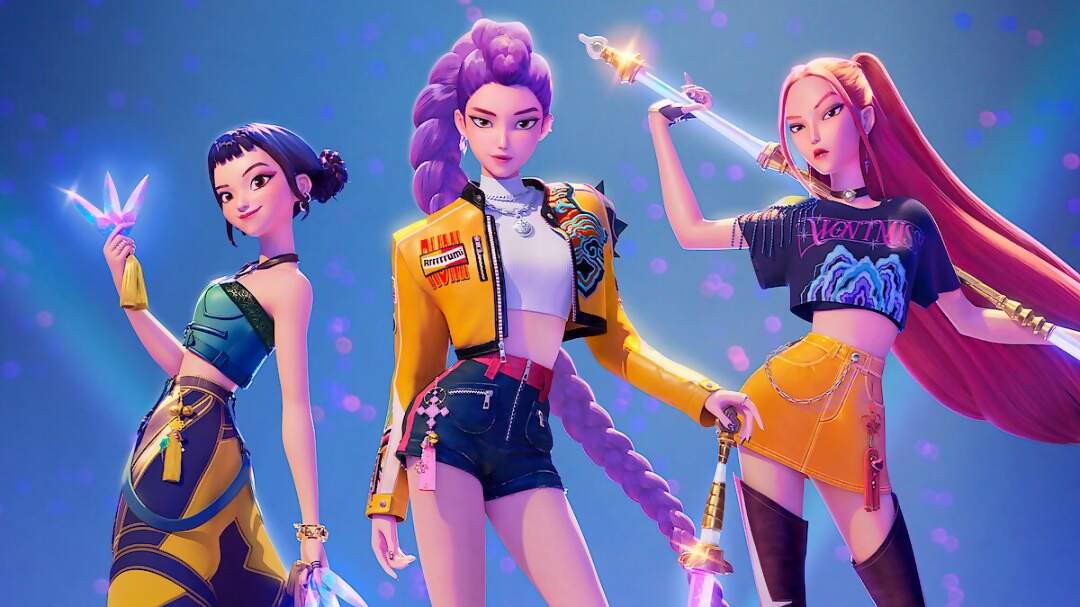
LeMoine lists several shows that have been allegedly used to “generate unauthorised derivative works,” including Bridgerton, Stranger Things, Squid Game and KPop Demon Hunters – in other words, some of the company’s biggest hits.
“Netflix has never authorized ByteDance to use our content to generate these images or videos,” LeMoine writes. “ByteDance’s activities are willful, and constitute direct and secondary copyright infringement. The use of copyrighted works to create a competing commercial product, especially one that regurgitates the original, is not protected by fair use.”
A day earlier, Warner Bros’ legal boss Wayne M Smith issued an even more robust response, singling out a chap named John Rogovin in his legal letter. Before he joined Bytedance as one of its senior legal offices, he held a similar job at Warner Bros until 2022 – something Smith pointedly highlighted.
“Given your history with Warner Bros,” Smith wrote, “you understand the importance and value of Warner Bros Discovery’s copyrighted works, including the famous copyrighted characters like Superman and Batman that you spent much of your career protecting.”
Bytedance has previously said it will add guardrails to Seedance 2.0 to prevent more copyright-infringing material from emerging, such as clips of Marvel’s Wolverine fighting DC’s Superman – a confrontation that would never happen in real life without expensive corporate deals being made.
Because, ultimately, these legal letters and outbursts are all about deals. It’s well known for some years now that AI firms have been using the work of artists, filmmakers and artists as fodder for their platforms.
So far, there hasn’t been a government-level move to prevent any of this from happening; if anything, there have been conversations about relaxing existing copyright laws to make it easer for AI companies to use creative work without paying anyone a penny.
Corporations like Disney and Netflix have expensive lawyers, however, and can make a huge fuss when their work is taken. But rather than fight to have the law changed to prevent everyone from AI’s “blatant infringement” (to quote Warner Bros, they’re content to make deals with some firms while suing others.
Both Disney and Netflix have made tie-up agreements with OpenAI over the past few months. Once the dust has settled over Seedance 2.0, it wouldn’t be too surprising to see other film companies make similar multi-billion dollar agreements with Bytedance, and then everything will carry on as normal.