In the 2000s, director David Gordon Green had a starry remake of the horror classic Suspiria planned. We take a look at why it never happened. Offering a markedly different tone from Dario Argento’s colour-drenched 1977 horror, the 2018 Suspiria remake was a more low-key, sombre affair. Directed by Luca Guadagnino, it was again about ... Suspiria | The 2010s horror remake we never saw, and what happened to it
In the 2000s, director David Gordon Green had a starry remake of the horror classic Suspiria planned. We take a look at why it never happened.
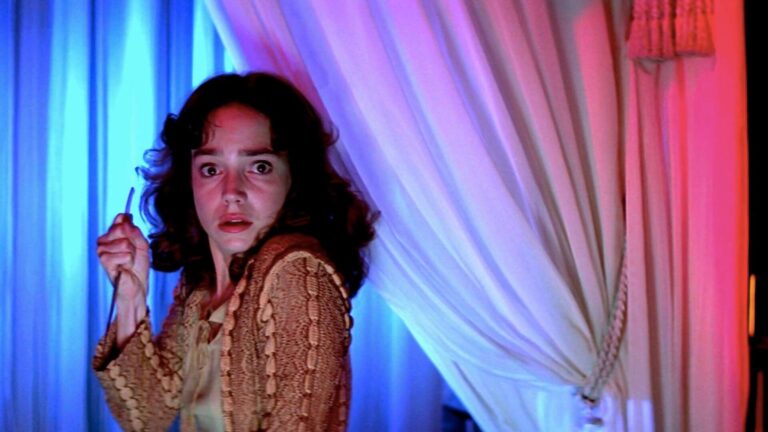
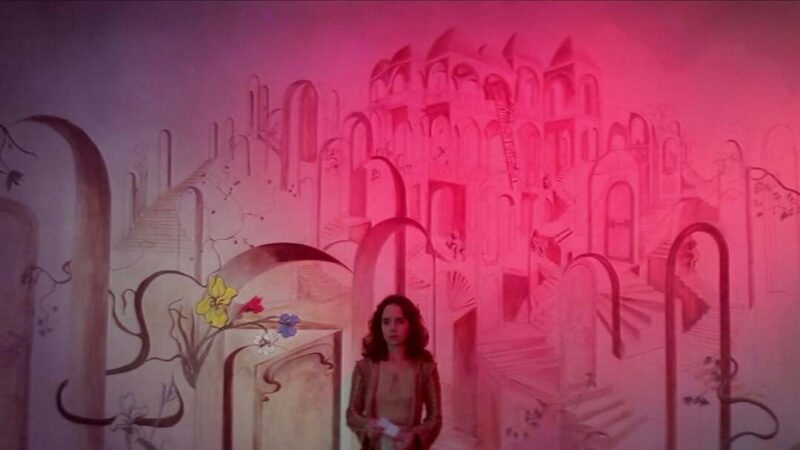
Offering a markedly different tone from Dario Argento’s colour-drenched 1977 horror, the 2018 Suspiria remake was a more low-key, sombre affair. Directed by Luca Guadagnino, it was again about diabolical goings on at a German ballet school, but this time the tale was told with a layer of grimy reality rather than the fairy tale logic of Argento’s original.
Released by Amazon MGM, Guadagnino’s remake ended over a decade of development, line-up changes and abandoned efforts. At one stage, in the late 2000s and early 2010s, director David Gordon Green – then best known for both indie dramas (George Washington) and bawdy comedies (Pineapple Express) – came close to getting a somewhat different take on Suspiria off the ground. So what happened?
In 2007, Guadagnino had managed to secure the rights to Suspiria from fellow Italian filmmaker, Argento. At that stage, however, Guadagnino wasn’t planning to direct himself; instead, he passed the reins on to David Gordon Green, whom he’d met at the Turin Film Festival in 2008. Guadagnino was, he said to MUBI at the time, an admirer of Green’s work; Green, in turn, was a fan of Suspiria, and so Guadagnino offered him the job.
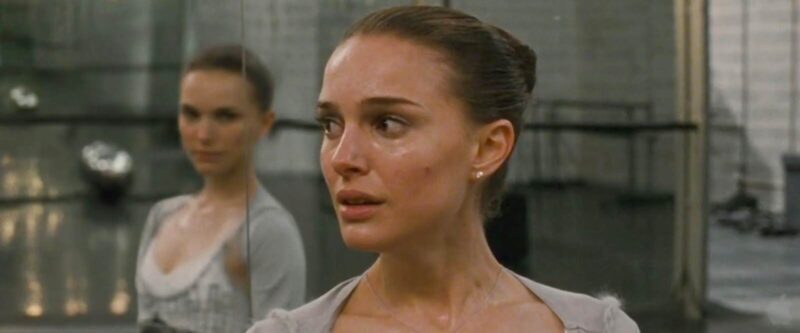
At this point, Green had one of Hollywood’s biggest names on board – Natalie Portman, who would have backed the project as both its producer as well as its star. Portman clearly had designs on making a film that highlighted her strengths as a dancer, since she ultimately went on to make Black Swan with director Darren Aronofsky – itself a ballet-themed waking nightmare with flashes of Argento-esque horror.
The Suspiria remake was knocked back, seemingly, but not outright put down. In the early 2010s, Green began talking about the project again, revealing that he’d co-written a screenplay with a regular collaborator of his – sound designer Christof Gebert.
“That’ll be a lot of fun,” Green told this writer in 2011. “I’ve written it with the sound designer, so we’ve really written it from a unique perspective. We’ve come at it not from a traditional narrative way, but from the perspective of sound. It’s a fun experiment for me, to see how it works out.”
Portman may have been out by this stage, but Green had nevertheless managed to assemble an impressive cast. It reportedly included Michael Nyvqvist (The Girl With The Dragon Tattoo, Mission: Impossible – Ghost Protocol), Isabelle Huppert (Heaven’s Gate, The Piano Teacher) and Isabelle Fuhrman (The Orphanage, The Hunger Games).
In April 2012, the announcement came that Suspiria’s financing was secured, the rights to reuse Goblin’s booming soundtrack was granted, and that shooting was to begin that September, with Fuhrman playing the young protagonist, Suzy.
Things didn’t quite pan out.
Early 2013 brought the news that Suspiria was caught in some kind of legal tangle over its rights – and two years later, Green began talking about the film in the past tense.


“That would have been the shit,” Green told Crave. “I love Argento’s film and we wrote a very faithful, extremely elegant opera, basically of [Suspiria]. I don’t mean musical opera, but it would be incredibly heightened music, and heightened and very operatic and elegant sets… We had an amazing cast of elegance and prestige that we were engineering for it.”
The problem was that $20m was, at least at that point in history, a lot to ask for a horror movie. Today, we’re used to seeing directors like Zach Cregger secure moderate budgets of around $38m for films like Weapons. In the 2010s, the industry was more used to seeing films like Saw and Paranormal Activity become cinema-filling hits on much tinier sums.
“…the economic model for a horror movie was not where I wanted it to be to make a $20 million elegant movie from a guy who was an unproven horror director,” Green said at the time.
Green also faced another challenge: in 2011, he made the bawdy fantasy comedy Your Highness on a budget of $50m; it was a critical and commercial disappointment, earning a bit over half of its investment back in theatres. (Again, times have changed: today, it would be much easier to convince a studio to spend $50m on a horror film than an R-rated comedy.)
“If people would have given that movie [Your Highness] the hundreds of millions of dollars at the box office that it deserved, Green joked in 2015, “Suspiria would exist for us all to enjoy.”
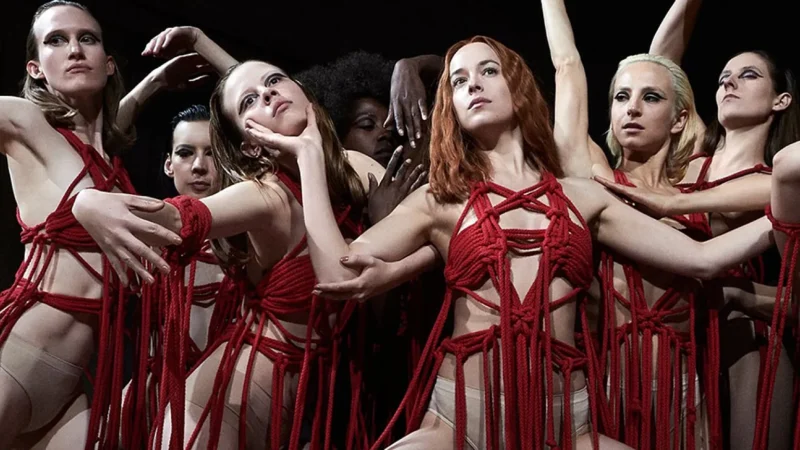
Suspiria did, of course, eventually come to fruition, though Guadagnino’s version is somewhat different from the one Green envisioned. The Green-Gebert script keeps several of the character names from the 1977 film, much as the Guadagnino script (written by David Kajganich) later did – though the similarities end there.
Where the 2018 Suspiria is a period piece, set during the Cold War turmoil of a divided Berlin in 1977, the unfilmed Green-Gebert script is set in the present; it’s also a more contained horror that barely mentions what’s going on outside the ballet school.
After a student named Patricia disappears in eerie circumstances, a spare place opens up at the prestigious Marcos Dance Academy. We’re then introduced to newcomer Suzy Bannon, who flies in from the US as its latest pupil. At first, the place seems as welcoming as a buttoned-up boarding school can be. But the lessons are harsh, there’s a weird doctor named Verdegast, and rumours that the whole academy has ocult underpinnings.
It’s a more conventional mystery-thriller than Argento’s baroque original, though there are horror moments – one involving razor wire – that echo the nastier moments of his film, and a particularly dark third act that really brings the house down. Guadagnino’s Suspiria comes to a similarly violent end – though again, its story strikes a more cerebral tone with its connection to real-world atrocities and suffering.
The one thing that the Green-Gebert script really can’t do is give us an idea of how this earlier incarnation of the film might have sounded. Going by Green’s interviews, he and Gebert had in mind a third act that was as aurally assaultive as it was fiery and bloody.
In time, David Gordon Green ended up making quite an impression on the horror genre, directing an entire trilogy of Halloween films, before rebooting another 70s franchise with The Exorcist: Believer. Reviews on those Halloween slashers grew increasingly mixed as each came out between 2018 and 2022; Green’s Exorcist film, released in 2023, was widely panned.
All the same, it’s fascinating to look back at the director’s plans for Suspiria and look at how its handling differed from Guadagnino’s approach. In 2018, Guadagnino himself marvelled at the cosmic alignment that saw his take on Suspiria emerge just as Green’s Halloween emerged in cinemas.
“I find it extraordinary that his reboot of Halloween is being released at exactly the same time as my Suspiria,” he told MUBI. “Two fans of two iconic 1970s classics that influenced us both joined together by fate at last! Sometimes you can’t ignore the fact that destiny makes the best decisions.”