Netflix makes thrillers like Red Notice and The Gray Man, but they seldom spawn sequels. The firm’s data may reveal why… Over the past few days, director Joe Carnahan’s grungy cop thriller The Rip has notched up over 41m views on Netflix, making it one of the biggest debuts in the streaming channel’s history. As ... Why does Netflix make so few movie sequels?
Netflix makes thrillers like Red Notice and The Gray Man, but they seldom spawn sequels. The firm’s data may reveal why…
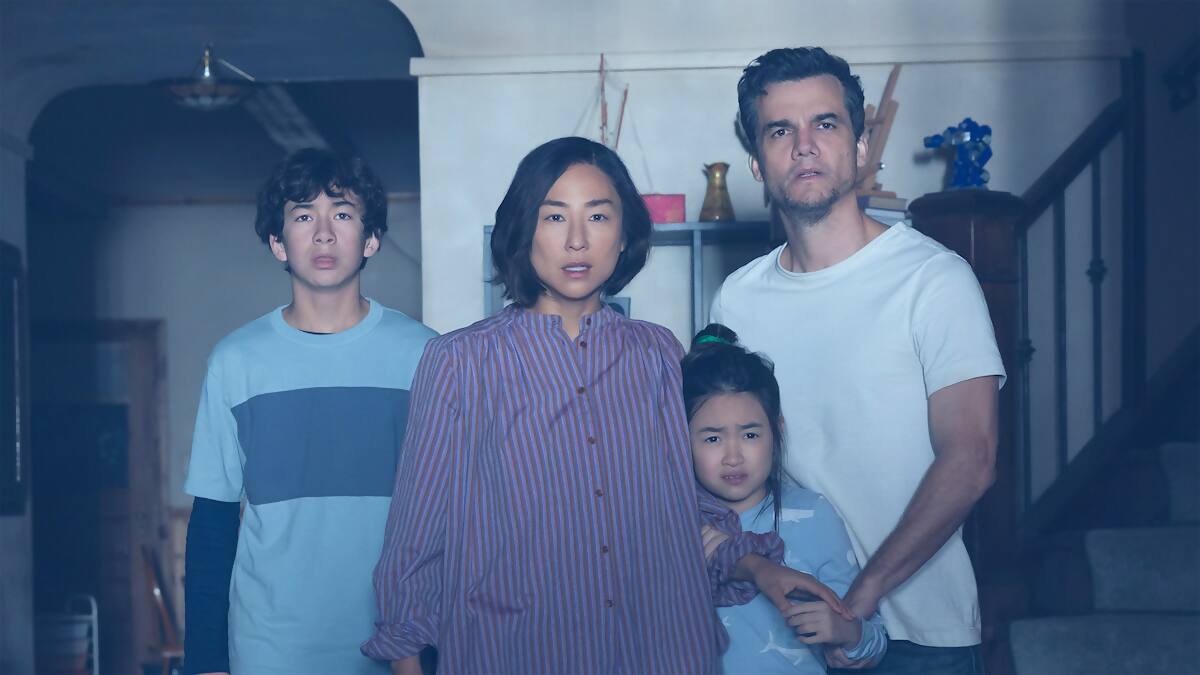
Over the past few days, director Joe Carnahan’s grungy cop thriller The Rip has notched up over 41m views on Netflix, making it one of the biggest debuts in the streaming channel’s history.
As previously noted, it’s further proof that subscribers have a tendency to gravitate towards movies with elements of action and suspense in them; of the titles in Netflix’s top 10 most-watched films to date, all contain those elements to some degree or another. KPop Demon Hunters may be an animated musical, but it also has some eye-catching action, including a memorable bust-up on a luxury jet.
Other titles on Netflix’s top 10 are straight-up action flicks or suspense thrillers: Red Notice, Carry-On, Back In Action and The Gray Man. Then there’s Damsel, which is a dragon-bothering action fantasy, The Adam Project, which is a sci-fi action thriller, And Bird Box, Don’t Look Up and Leave The World Behind, which offer a trio of apocalyptic scenarios to chew over.
Netflix subscribers, it seems, tend to favour colourful, fast-moving entertainment for their sofa viewing. Plus these kinds of movies reliably find audiences in non-English-speaking parts of the world, since they tend to favour visuals over dialogue – it’s why action movies travelled so well all the way back in the 1980s.
There’s something else all these movies in Netflix’s top 10 have in common, though: none of them have sequels, at least at the time of writing. The closest you’ll find is Bird Box Barcelona, which was a spin-off from that earlier horror thriller; it was uploaded in 2023 to middling reviews.

Read more: The Rip review | It’s a crime this thriller isn’t being shown in cinemas
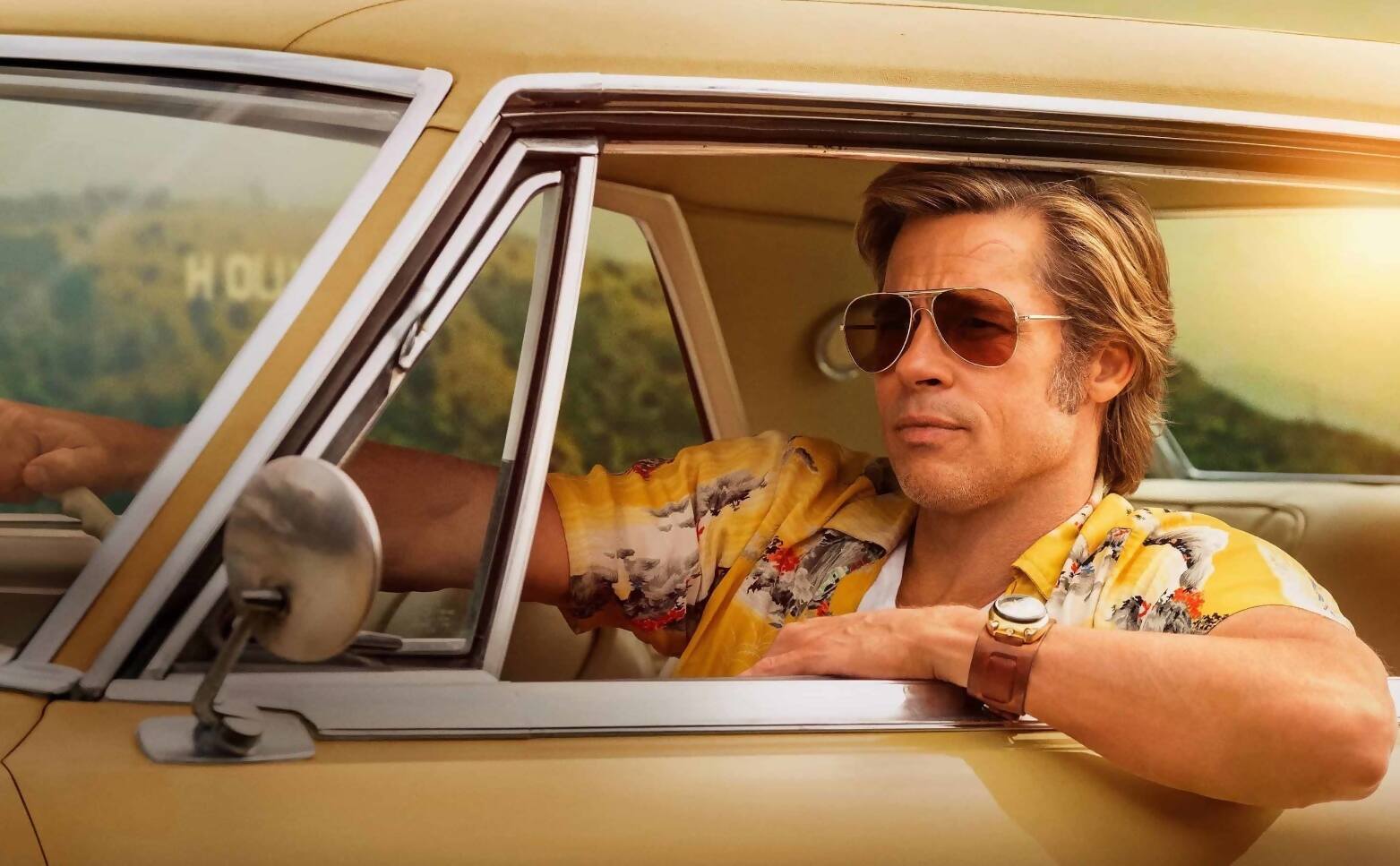
Beyond that, there’s Red Notice – a by-the-numbers action vehicle for Ryan Reynolds, Gal Gadot and Dwayne Johnson that materialised in 2021. Its brand of glitzy, $200m action evidently went over well with subscribers, since it was the most watched film of all time (230.9m views) until KPop Demon Hunters knocked it off the top spot.
Those views were strong enough to prompt Netflix to order a sequel – which to date has flatly refused to happen. The streaming firm was so bullish about turning Red Notice into a franchise that, at one stage, it had plans to shoot two sequels back to back. Four years on, and things are rather quiet on the matter – perhaps because it’s difficult to get the schedules of three big movie stars to line up.
Similarly, 2022 action thriller The Gray Man was joined by news reports of sequel plans and even a spin-off, but there’s been few signs of movement so far. Directors Joe and Anthony Russo have said vague things about a sequel being in development, but they’ve been busy on other things: making the dismal sci-fi adventure Electric State (also for Netflix) and this year’s unfathomably expensive Avengers: Doomsday for Marvel.
It’s also possible that Netflix has, like most of us, forgotten what The Gray Man was even about.
One Netflix sequel that will almost certainly happen, barring some sort of cataclysmic event, is KPop Demon Hunters 2. A cultural phenomenon, it’s garnered 325m views on Netflix, resulting in sold-out singalong cinema screenings, hit records and countless bits of merchandise. Netflix and Sony promptly closed a deal for KPop 2 last November, though due to the labour-intensive nature of animation, it isn’t expected to appear until 2029.
Beyond Red Notice and KPop, the follow-up possibilities of Netflix’s other top 10 movies remain curiously unexplored. Airport thriller Carry-On was a festive hit in 2024, and now Netflix’s third most-watched film ever.

A more traditional Hollywood studio might have immediately pressed its director (Jaume Collet-Sera) and star (Taron Egerton) for a sequel, much as Fox did when the narratively similar Die Hard was released in 1988.
Instead, Netflix seems content to let it slide; last year, Egerton commented to The Hollywood Reporter that the first Carry-On was “a celebration of Christmas,” and that a sequel would need “to have this huge plot that needs to be foiled.”
To have his protagonist fall into another adventure, he added, would be “quite hard to achieve… without it feeling contrived and to the point of defying credulity.”
Clearly, Egerton hasn’t seen any of the Die Hard sequels.
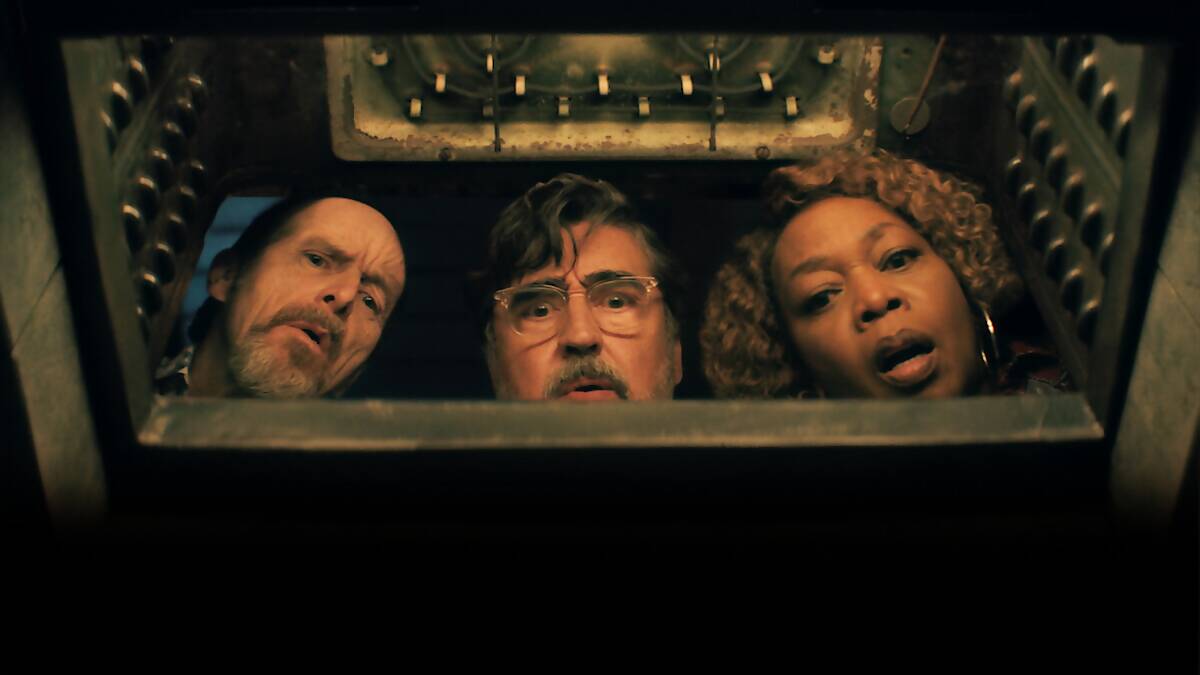
Director David Gordon has been similarly vague about making a sequel to his 2024 action thriller, Back In Action, which starred Jamie Foxx and Cameron Diaz as… actually, I can’t remember who they were. I just remember they shot and kicked quite a few people. That film left things open for a sequel, but when Radio Times asked about making a follow-up, Gordon said, “Oh yeah, I’ve got some ideas about what it would be about and who could play the part, but, you know…”
A sequel may happen eventually, but judging by the non-committal way Gordon trailed off, it hadn’t been greenlit as of January 2025, when that interview took place.
Elsewhere on Netflix’s top 10, there’s sci-fi action thriller The Adam Project, which director Shawn Levy has previously said won’t get a sequel – it’s too self-contained, he’s said.

For all its money and clout, Netflix doesn’t appear to be leaning on any of these filmmakers and stars particularly hard. Small matters like believability and logic never used to matter too much to Old Hollywood producers and studios; if a movie like Jaws or Rocky did well, then it was getting a sequel, logic and good taste be damned.
Netflix, which can be rather cagey about its inner workings, seems to run on a different set of metrics to its analogue rivals in Los Angeles. Because, when shows like Stranger Things or Squid Game have attracted viewers, it’s thrown all of its resources at them.
The simple concept of Stranger Things – kids on bikes go on an adventure – has been stretched out to five seasons, its episodes growing in length and budget to rival expensive feature films. The main saga is now over, but the franchise will live on through spin-offs and other ventures.
Squid Game, which began life as a cutting anti-capitalist dystopian satire, has been turned into an unlikely franchise, with three seasons to date, a spin-off game show, a videogame, and an English-language series extension, Squid Game: America.
So while Netflix does put out the occasional film sequel – see Extraction 2 and The Old Guard 2 – its greater focus is on TV shows.
Beyond Stranger Things and Squid Game, there are its other serial hits: Wednesday, Bridgerton, and the tawdry true-crime series, Monster. All have had more than one season to date. Even the viral sensation Adolescence, which became a global talking point in 2024, is likely to get a follow-up series according to star Stephen Graham – even though that drama was entirely self-contained.

To get an understanding of Netflix’s TV show focus, we need to look at another metric. Because while a series like Wednesday got fewer views over its first season than the platform’s most-viewed movie (252m versus KPop’s 325m) the number of viewing hours is absolutely vast. The first season has notched up a staggering 1.7 billion viewing hours to date – more than three times KPop’s 541m.
Look at the rest of Netflix’s data, and the number of hours viewed for Netflix’s shows hugely outstrips its movies. This is, of course, because a TV show is many times longer than a movie in any case; but if a show is keeping subscribers glued to their televisions for longer, then that ultimately looks better on Netflix’s spreadsheets.
Here, perhaps, lies the real reason why Netflix doesn’t rush to make film sequels. Hollywood studios used to make sequels because they were a reliable means of generating repeat business. If Jaws was a hit, then they could bank on a sizable crowd showing up to the cinema to watch Jaws 2.
Netflix’s goal, on the other hand, is to keep people on their sofas for longer. And the best way to keep its subscribers watching isn’t through movie sequels, but through long-running TV shows. It’s why 2021’s Red Notice doesn’t have a sequel, but gothic horror comedy show Wednesday, released the year after, managed to pull a second season together within the space of three years.
Where there’s a will, the old saying goes, there’s a way. Or, to put it in Netflix terms: where there are billions of viewing hours, there are repeat seasons.