“Stealing isn’t innovation” is the slogan behind a new Hollywood anti-AI campaign, with Scarlett Johansson among its 700 big-name backers. Over 700 actors, writers and other Hollywood artists have added their names to a new campaign which aims to highlight generative AI’s negative impact on creative industries. Called the Human Artistry Campaign, some of its ... Scarlett Johansson and Cate Blanchett among 700 celebrities backing an anti-AI campaign
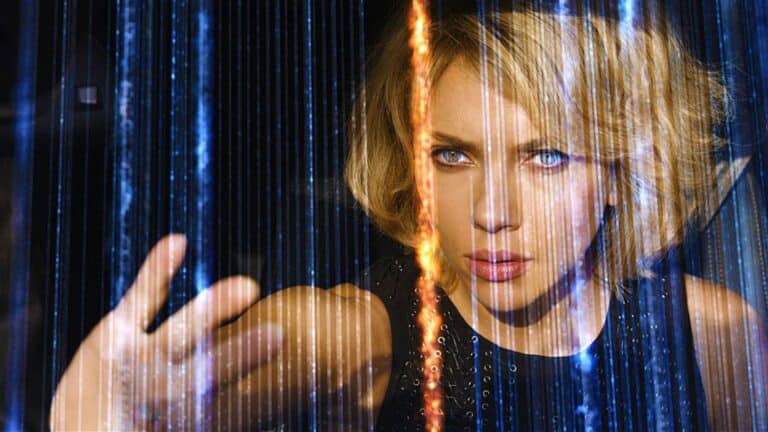
“Stealing isn’t innovation” is the slogan behind a new Hollywood anti-AI campaign, with Scarlett Johansson among its 700 big-name backers.
Over 700 actors, writers and other Hollywood artists have added their names to a new campaign which aims to highlight generative AI’s negative impact on creative industries.
Called the Human Artistry Campaign, some of its big-name backers include Scarlett Johansson, Cate Blanchett, Joseph Gordon-Levitt and Breaking Bad creator Vince Gilligan.
The campaign was announced with an advert in The New York Times and statements issued to trade outlets like The Hollywood Reporter; there’s also an accompanying website, which lays out its messaging and goals.
Summed up by the motto “stealing isn’t innovation,” the organisation’s aim is to to highlight generative AI’s use of existing artistic work as ‘training’ for its output – in order to function, platforms like ChatGPT and Sora require terabytes of writing, imagery and sound, which is commonly taken with little regard to existing copyright laws. That work is then re-synthesised and served up according to a user’s prompt.
Tech companies have long argued that this process of training and re-synthesising counts as ‘fair use’ under existing copyright laws – an assertion an EU report disagreed with last year, and which the Human Artistry Campaign also refutes at length on its site.
An excerpt from said site reads:
“AI must not receive exemptions from copyright, right of publicity, or other intellectual property rights and must comply with core principles of fair market competition and compensation. Creating special shortcuts or legal loopholes for AI would harm creative livelihoods, damage creators’ brands, and limit incentives to create and invest in new works.”
The organisation has amassed a wide range of members under its banner so far, including the American Screen Actors Guild, the Writers Guild of America and dozens more besides. Other signatories include rock band REM, director David Lowery and actor Kristen Bell.
It comes at what could be a pivotal year for generative AI. Tech firms have been pushing governments in the US, UK and Europe to allow them to continue to use copyrighted material for their products. The British government has been mulling the situation for some time, launching a public consultation in late 2024.
Initially, it looked worryingly like our country was about to roll over and give tech firms what they wanted without dispute; at a recent evidence session, however, culture secretary Lisa Nandy described the government’s previous stance as a “mistake”.

Suggested product
Issue #61 (Horror Special): Magazine + Signed Ben Wheatley F&TT&N: Issue #4 (Reprint)
£14.99

Suggested product
Issue #60 Magazine Bundle (3x Covers: A Scanner Darkly Magazine + 1991 + Roger Deakins)
£14.99
In the US, there’s been a mixture of reactions to AI, at least from major businesses. Disney and Universal filed a lawsuit against AI firm Midjourney last June, calling it a “bottomless pit of plagiarism.” Months later, Disney signed a $1bn deal with OpenAI, which will see characters that Disney owns show up in Sora’s video output.
Coca-Cola has spent the last two Christmases churning out AI-generated ads; James Cameron and George Miller are among the filmmakers who’ve talked about the tech’s creative opportunities.
The Human Artistry Campaign is perhaps the largest coordinated response we’ve seen to AI so far. Time will tell whether its aims – in short, artists can still be paid for the things they make – will be met.