Backrooms studio A24 has announced a $75m AI ‘research partnership’ that they claim will result in new, vaguely-defined filmmaking tools. Big tech continues to wrap its greasy AI tendrils around the film industry. Yesterday, it was announced that Google DeepMind is to invest $75m into A24, the trendy independent studio behind such films as Backrooms ... A24 and Google DeepMind announce $75m deal to “empower artists” with AI tools
Backrooms studio A24 has announced a $75m AI ‘research partnership’ that they claim will result in new, vaguely-defined filmmaking tools.
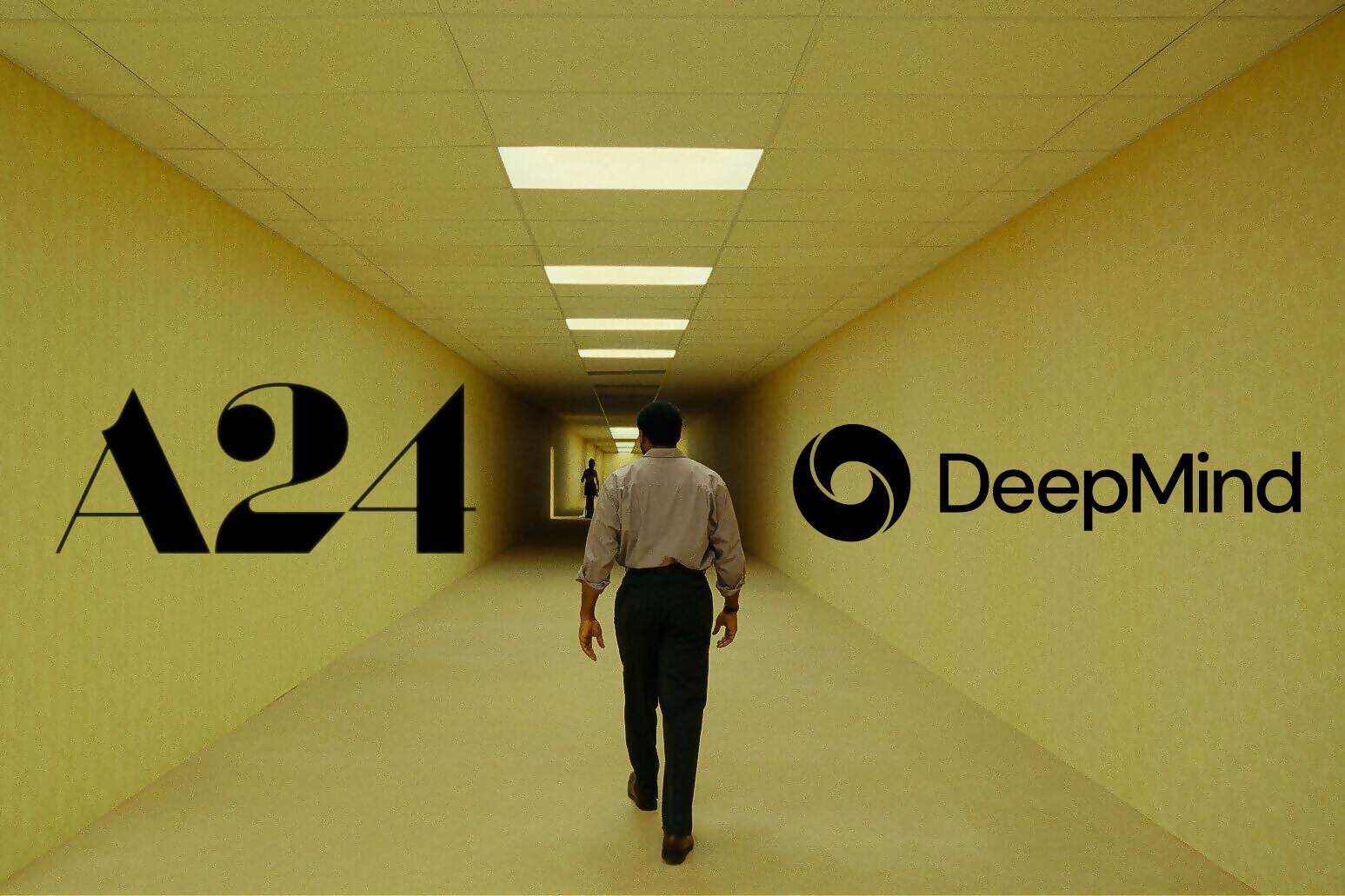
Big tech continues to wrap its greasy AI tendrils around the film industry. Yesterday, it was announced that Google DeepMind is to invest $75m into A24, the trendy independent studio behind such films as Backrooms and Marty Supreme.
The two firms will be forming a research partnership designed to “develop new workflows and techniques” according to a press release put out by Google on the 22nd June. The venture will allow A24 to tinker around with DeepMind’s AI research and tools, which so far include the likes of Gemini, its answer to ChatGPT, and the text-to-video platform, Veo.
In return, DeepMind’s researchers to collaborate with A24’s employees to gain “invaluable feedback and guidance from leading artists.”
The partnership was publicised with a piece in the Wall Street Journal, though exactly what they expect to get from the deal is disconcertingly vague at present.
Although the company hasn’t exactly shouted about it, A24 has already been dabbling in AI through its A24 Labs division, where it’s apparently working on some sort of “boutique in-house AI model.”
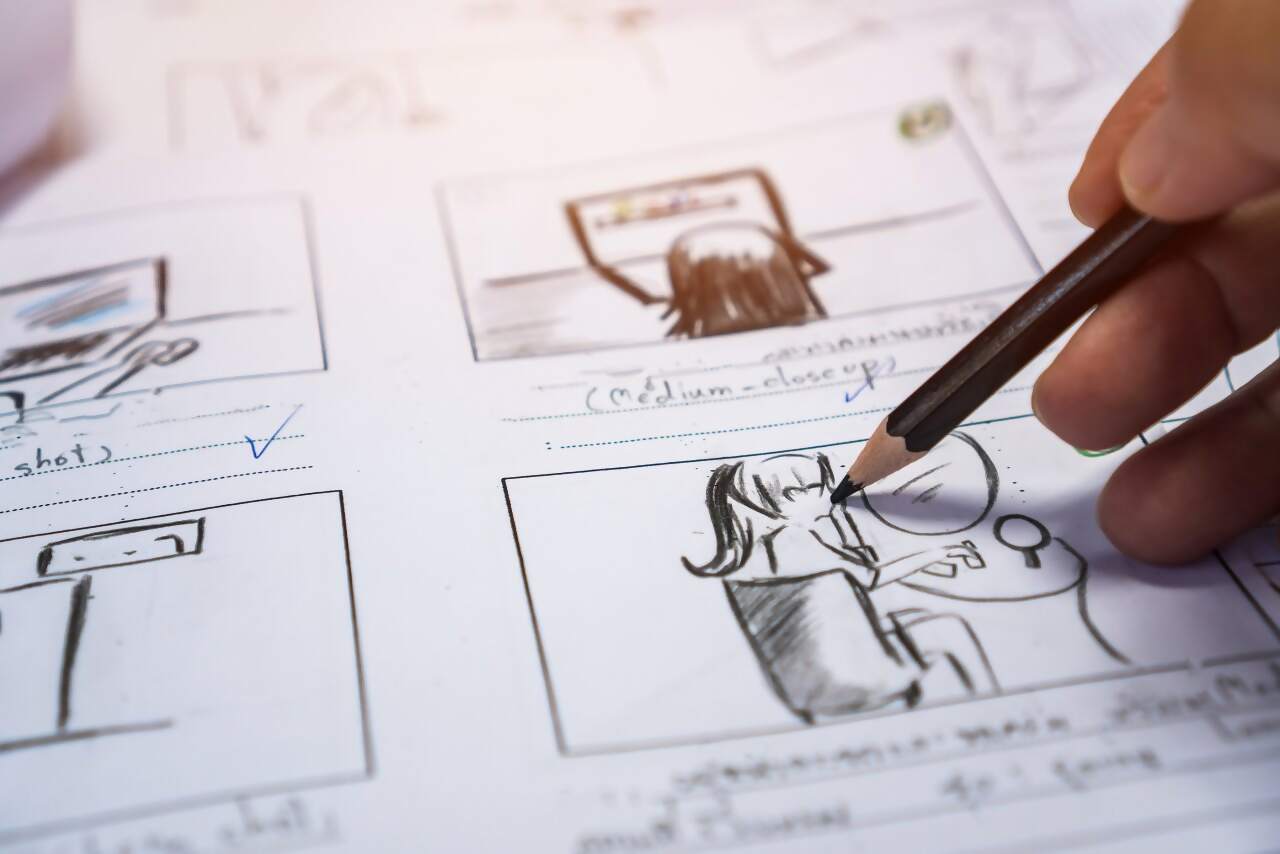
A24 Labs was set up in January 2025 and is overseen by entrepreneur Scott Belsky. He gave some quotes to the WSJ about the new DeepMind deal, saying that A24’s use of AI will take in storyboarding and other bits of pre-production, but that the results “won’t look anything like the prompted generation type of AI that people feel uncomfortable with.”
The question is whether A24 is ready for the blowback from both filmmakers who are opposed to AI and its own ticket-buying audience. It had previously built a reputation as studio willing to take creative risks and support artists – it has previously released the work of Ari Aster, Alex Garland and Greta Gerwig, to name a few.
Earlier this month, Kane Parsons, director of A24’s biggest hit to date, Backrooms, spoke in clear terms about his dislike of generative AI, calling it “genuinely harmful.”
“If I could snap my fingers and make generative AI disappear forever, I probably would,” he said. “Creatively, I get no enjoyment from using those tools. It defeats the purpose entirely for me.”
The 20 year-old filmmaker’s thoughts appear to echo Gen Z’s attitude to AI in general: a recent Gallup poll showed that a growing percentage of people aged between 14 and 29 are growing increasingly skeptical and even angry about the technology’s aggressive promotion.
It’s pointless to speculate too wildly about a set of tools that haven’t even been precisely defined yet. But if A24 is planning to go the Martin Scorsese route, and outsource the process of storyboarding to an AI image generator, then it’s unlikely to save a great deal of money.
As the filmmaker Peter Ramsey put it on BlueSky overnight, “Storyboard artists, often closest and most integral to realising a director’s vision, are a relatively cheap part of the process. Often their role is disparaged, or not even understood. And yet one of the main goals of AI in film production seems to be to replicate what they do.”
Much like Scorsese, A24 appears to be torching its reputation to streamline a process that wasn’t exactly expensive in the first place.