With Skydance now shopping for Warner Bros Discovery, following its acquisition of Paramount, a few thoughts on where all this is going. If you’ve popped along to see Roofman over the last week or so, not only have you been treated to one of the best films of the year, but you’ll have spotted a ... Warner Bros | Can we afford to lose another major movie studio?
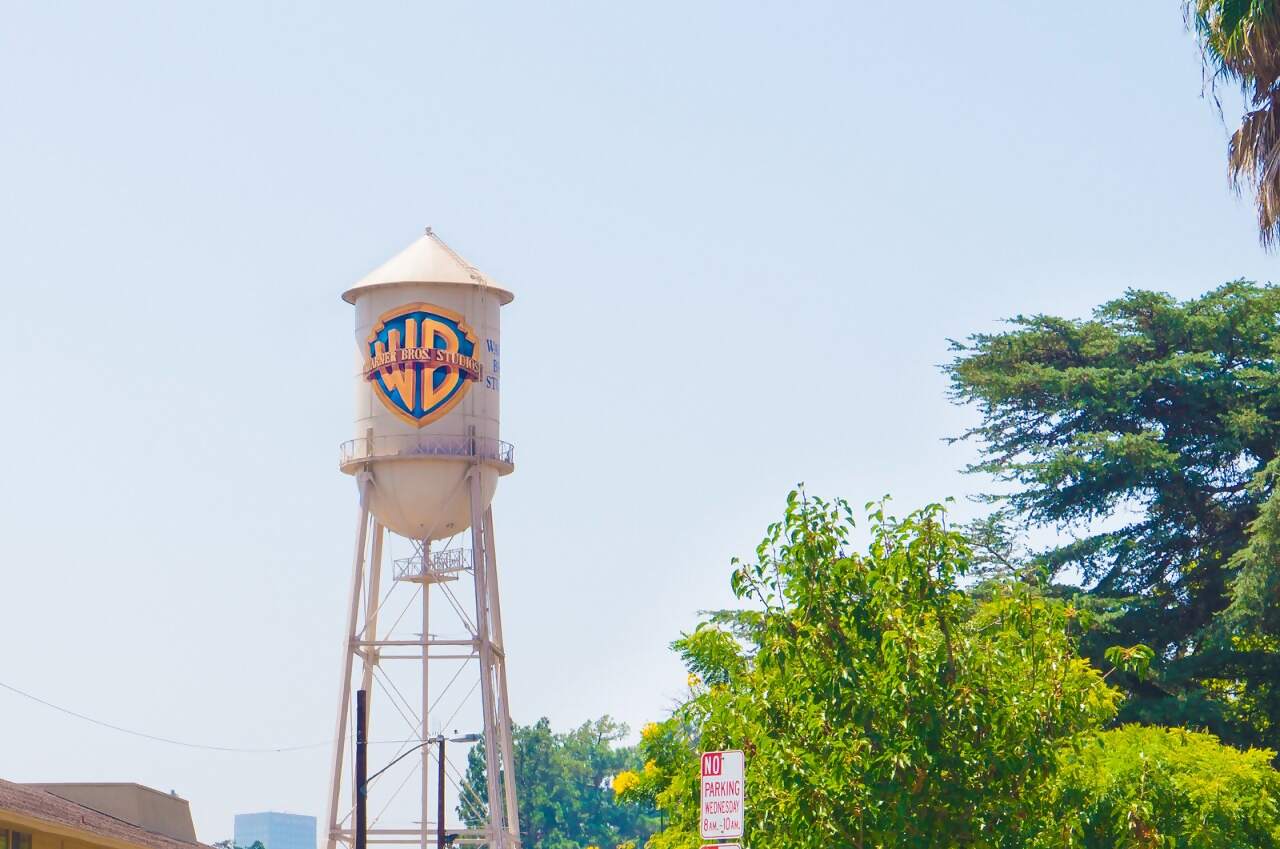
With Skydance now shopping for Warner Bros Discovery, following its acquisition of Paramount, a few thoughts on where all this is going.
If you’ve popped along to see Roofman over the last week or so, not only have you been treated to one of the best films of the year, but you’ll have spotted a very small change to the Paramount Pictures logo at the start.
Paramount, after all, is now a Skydance company, courtesy of a mutli-billion dollar deal that’s seen the once relatively-frugal major studio now with some of the deepest pockets in Hollywood.
The funding is coming, indirectly, from the fortune of Larry Ellison, the man behind Oracle (the tech firm, not the long-retired teletext service), and one of the richest men on the planet. His son, David, is the person behind Skydance, and now the owner of a revered, historical movie studio.
This one, in fact…

And it looks like he’s on the hunt for another. The trade and financial press has been eagerly reporting over the last few weeks the story that the Ellisons may not have completed their shopping spree. Now? They’re eyeing up Warner Bros Discovery, with at least one suggestion that a very handsome offer has already been turned down.
A Reuters report over the weekend suggested that for Skydance to snap up a second movie studio (although Warner Bros Discovery is, of course, a lot more than movies) will cost it in the region of $60bn. It’s Monopoly money of course for people with seemingly infinite cash, and after the initial knockback, most analysts seem to be expecting a second bid.
David Ellison has already been making the right noises, about how Warner Bros would be able to work independently, and how its theatrical output would be unaffected. I’d imagine that’s the case too, at least in the short term.
But after one or two disappointing sets of quarterly results, that’s when the nerve of such a statement is properly stress-tested. Should a Skydance-overseen conglomerate featuring Paramount and Warner Bros Discovery start struggling, then that modern word for massive job cuts and cutbacks – ‘efficiencies’ – is bound to make it to a press release.
However, for the minute, let’s take it at face value. It’s clear that Warner Bros Discovery at the very least is entertaining offers, and so it’s entirely feasible it’ll be under new ownership in 18 months’ time (assuming a deal gets the necessary approval of the Trump administration, but settling bizarre court cases seems to be the currency of choice for such a transaction.)
That means the traditional Hollywood majors of ten years ago – Warner Bros, Columbia, Paramount, Universal, 20th Century Fox and Disney – will have basically been reduced by two.
In 2019, Disney completed its acquisition of 20th Century Fox, and let’s call it what it was: a gutting of that company. Its healthy theatrical output of ten to 15 films a year has been gutted down to a handful, and Disney has in turn turned out to be a poor steward to date of the Fox catalogue. Other opinions, of course are available.
Fox, through its final years, was gambling on films such as Bohemian Rhapsody, Le Mans ’66, The Fault In Our Stars, Ad Astra, The Hate U Give, The Kid Who Would Be King, Red Sparrow… whether you like them or not, how many of those would get through the Disney system, let alone into a cinema? Instead, we get the terrific Searchlight output, and the occasional Alien, Predator or Planet Of The Apes films. The balance sheet for Disney may be healthier with that approach, but surely cinema is poorer.
Acquisitions and mergers are the big thing, though, and they rarely benefit cinema. On a smaller level, Hasbro acquired the Entertainment One group in 2019, primarily it seems to get its hands on things like Peppa Pig. One casualty? The superb Entertainment One distributor, which Hasbro had little interest in continuing with. Following its final UK release, Steven Spielberg’s The Fabelmans, Hasbro shut down the film side, taking another 15-20 films out of cinema distribution.
Other names have gone: Pathe, for instance. In their place, new local companies such as True Brit are now ramping up their output. These are local stories, in one part of the world.
But, of course, the footprint of Warner Bros is a global one. It has the heft, history and weight of a major studio, one that this year has been the boldest amongst its rivals. Sinners, One Battle After Another, Mickey 17 and Weapons have all, remarkably, made their way out of the studio system, with the voices of their filmmakers in tact.
Yet that’s the history of Warner Bros writ large. The filmmakers’ studio. The one that Clint Eastwood committed to for decades, and vice versa (until the Juror #2 fiasco, of course.) Who talent such as Stanley Kubrick, Christopher Nolan and Richard Donner committed to.
The current regime, sadly, has done damage to the studio’s name. David Zaslav, the current CEO of Warner Bros Discovery, seems the cliched corporate suit, uninterested in the art and solely interested in the money. Christopher Nolan, famously, walked away from the studio following its treatment of its theatrical slate in 2021, while in more recent times, Zaslav has overseen a studio perfectly willing to effectively delete completed films, and take the short term tax write off. A sentence that never gets less staggering to write.
But 2025 has, on the big screen at least, seen a big turnaround.
The year started with Warner Bros’ movie bosses Pamela Abdy and Michael De Luca facing uncertainty about their jobs, not least when Mickey 17 failed to catch fire at the box office. Yet an incredible run of hits followed, some of them really bold films too, and instead, they’ve been rewarded with a new contract. What’s particularly impressive about what Abdy and De Luca have done is that they gambled on filmmakers in an area where it’s all supposed to be franchises and brands. As the famous movie quote goes, sometimes, if you build it, they will come.
And it’s made Warner Bros Discovery a plum acquisition, just at the point where it feels the most important studio for large scale movies. A place where a nine figure gamble can be taken on a creative talent. There aren’t many of those left.
What’s odd to me then is in the reporting of the potential sale of the company, there seems to be some compliance in advance going on. A general feeling of this being an inevitably. Absent? A few more voices suggesting, hang on, this might actually be a bad idea for cinema. Accepting the short term assurances that David Ellison has made, the bottom line is that another major studio will be wiped off the board. One with a history stretching over 100 year – a history that’s collateral damage in the modern era of having to be the biggest.
This stuff matters.
Just on a day to day level, thousands of people lost their jobs when Disney bought Fox, many of whom never made their way back into the industry. Sure, Robert Downey Jr is still getting nine figures for his Marvel work, but the people who bustled around Fox’s office in the UK – a mine of talent – have scattered far and wide, not always successfully.
But they’re the ‘efficiencies’, aren’t they? Because we’ve landed in an era where the profit and the shareholders are kings, where billionaires are competing with each other for the biggest bank balance, like it’s all the high score table on a videogame.
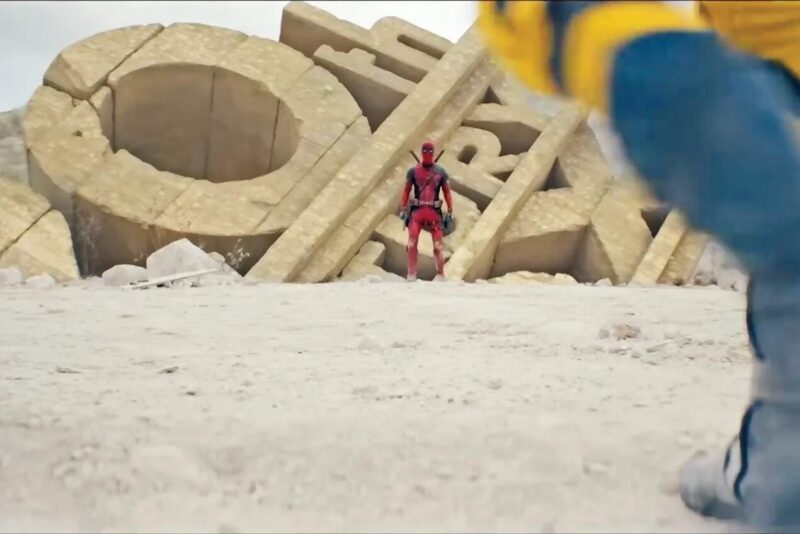
In the meantime, cinema history is under threat, again, right before our eyes. And the lesson of Fox must surely be heeded. Skydance may well emerge successful, and may well be a brilliant custodian of Warner Bros and Paramount. It may be entirely as good as its word. But Fox turned up as a punchline in Deadpool & Wolverine, the final indignity/mark of respect (depending on your point of view) for one of the most storied, legendary names in Hollywood history.
Sure, things change, time marches on, the way we watch films is all over the place now. All of these things are true.
But I can’t be the only one thinking that the narrowing of big companies at the top table is less of service to the broader entertainment industry and its customers, and instead more in service of making a small number of people a whole lot richer.
We wait and see if history repeats itself. I wish I was a bit more optimistic.
As things stand? Don’t be surprised if the next Superman film has a Skydance logo on it…
/**/